
This post may contain affiliate links. Please read our disclosure policy.
Flat, dry scones are a thing of the past. The secret is cold butter, a lamination fold that takes 60 seconds, and 30 minutes in the freezer before the oven. Fresh blueberries get soft and jammy as they bake and the buttermilk dough wraps around them in the best possible way. This recipe has been in my rotation for years and it never misses.
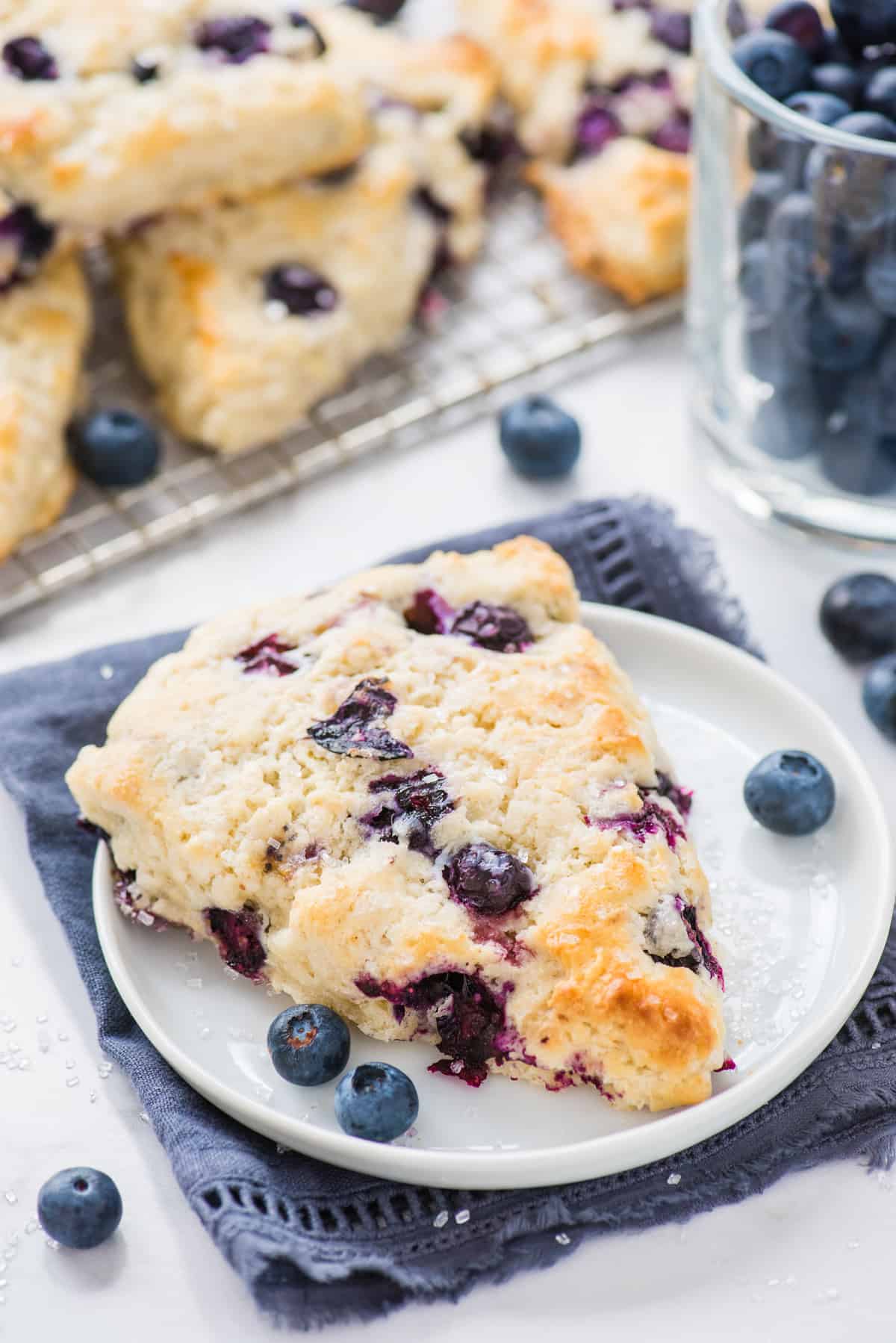
Blueberry scones have been in my rotation for years, long before this blog had the recipe to show for it. They were one of the first things I made when I started really learning how scones work, and honestly they are still one of my favorites to pull out when I want something that feels a little special without a ton of effort. Fresh blueberries get soft and almost jammy in the oven, and the buttery, flaky dough is the perfect thing wrapped around them.
If you have ever had a dry, crumbly scone and thought “I don’t get it,” this recipe is going to change that for you. The buttermilk keeps the crumb tender, the cold butter creates those pull-apart flaky layers, and the 30 minute freeze before baking is what stops them from spreading flat. These are the details that matter, and they are all built into this recipe.

Why These Blueberry Scones Work
Most scone recipes skip over the technique and that is where people run into trouble. I spent a lot of time developing and testing my master scone recipe before building out the individual flavor variations, and blueberry was one of the first. What I learned is that fresh blueberries add moisture to the dough, which means you need a small amount of extra flour to compensate. Without it the dough gets too wet and the scones lose their structure in the oven. It is a small adjustment that makes a big difference.
The lamination fold is the other thing that sets this recipe apart. After you mix the dough, you fold it in half, press it down, rotate it 90 degrees, and fold again. You repeat that 4 to 5 times. It takes about a minute and it is the reason these scones bake up tall with visible flaky layers instead of flat and dense. It sounds technical but it is genuinely simple once you try it.
Key Ingredients
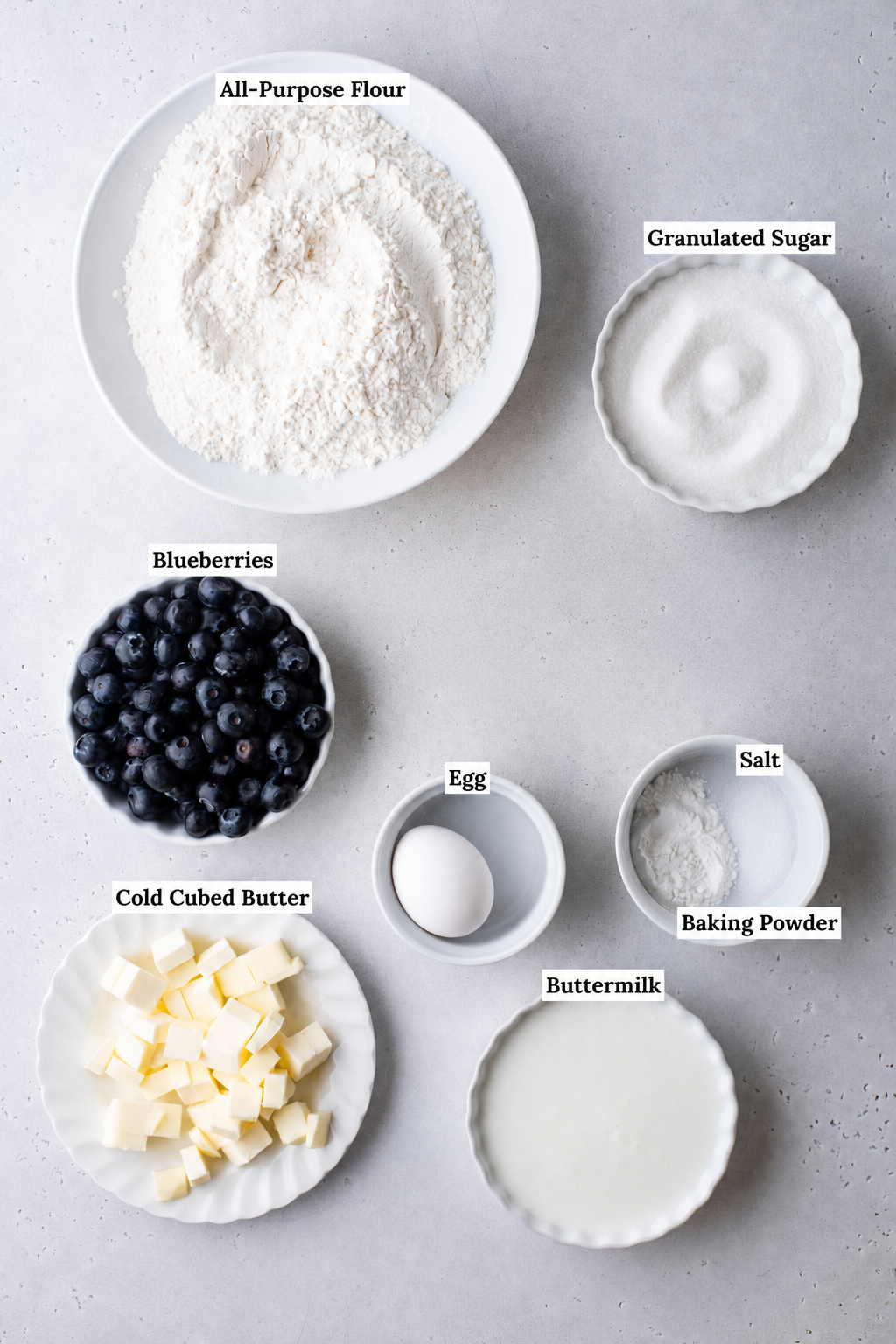
- All Purpose Flour: The structure of the scone. For fresh blueberries specifically, add an extra ¼ cup (30g) beyond the base measurement to account for the moisture the berries release.
- Cold Unsalted Butter: This is the non-negotiable. Cold butter creates tiny pockets in the dough that melt in the oven and produce steam, which pushes the layers apart. Warm butter just melts into the dough and you lose the flakiness entirely.
- Buttermilk: The reason these scones are tender instead of dry. Buttermilk has just enough acidity to tenderize the gluten without making the dough heavy. Don’t have buttermilk? Here’s how to make buttermilk from milk instead
- Fresh Blueberries: Fresh is my strong preference here. They hold their shape during mixing and bake into soft, jammy pockets without bleeding too much purple into the dough. Frozen will work but keep them frozen until the last second before folding them in.
- Vanilla Extract: A small amount that rounds out the flavor and makes everything taste a little warmer and more complete.
- Coarse Sanding Sugar: Optional but highly recommended. A sprinkle before baking gives you a slightly crackly, sparkling top that is hard to resist.
Fresh vs. Frozen Blueberries
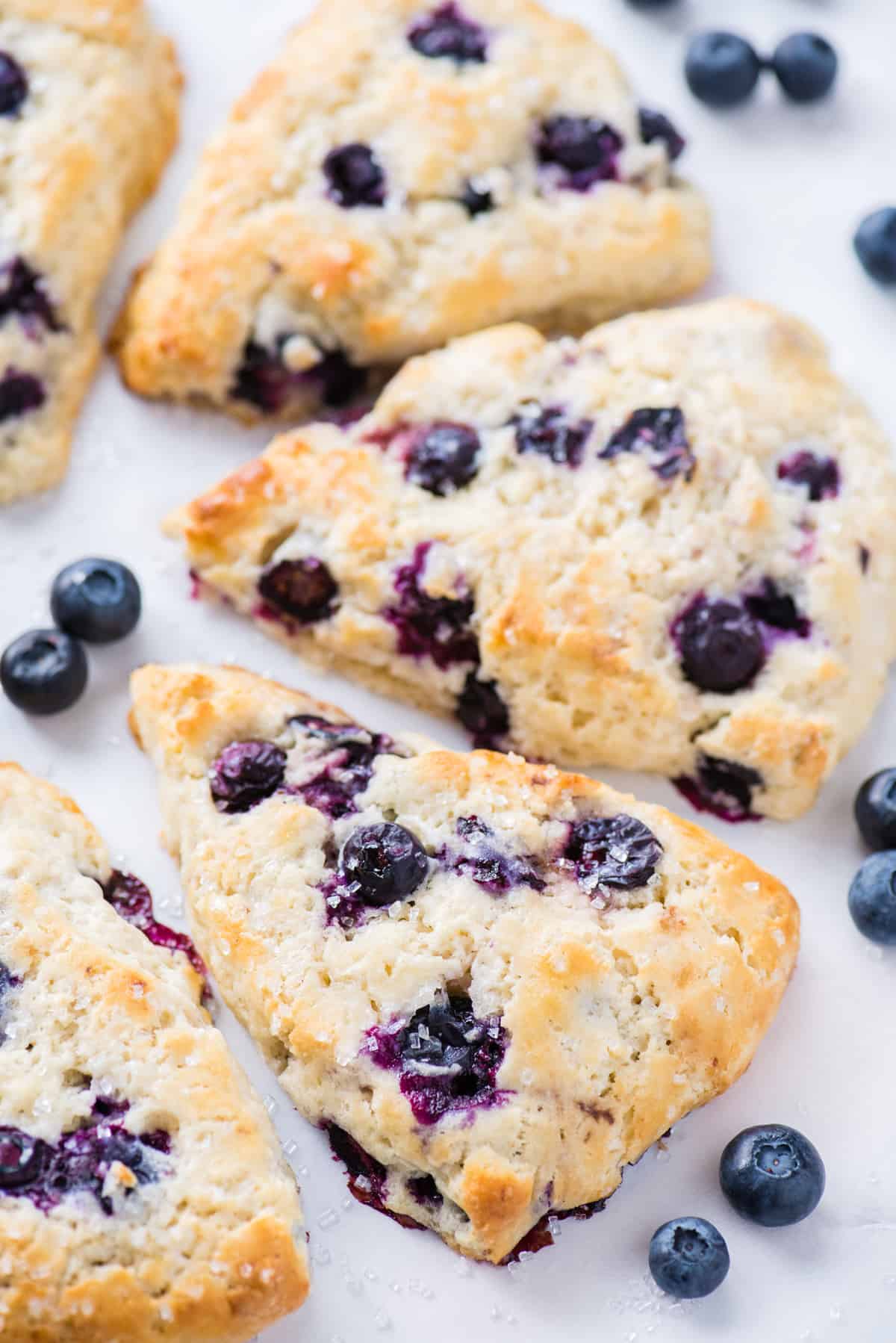
Both work, but fresh is better. Fresh blueberries stay intact during mixing and bake into those distinct pockets of fruit you want in every bite. Frozen blueberries start to release liquid the moment they hit the warm dough, which can make your scones purple and slightly wetter than ideal. If frozen is what you have, do not thaw them first. Add them to the dough cold, work fast, and get the scones into the freezer right away. The results are still good, just not quite as clean as fresh. If you love blueberries in baked goods, my blueberry muffins have the same fresh vs. frozen breakdown and are worth bookmarking too.
How to make Buttermilk Blueberry Scones
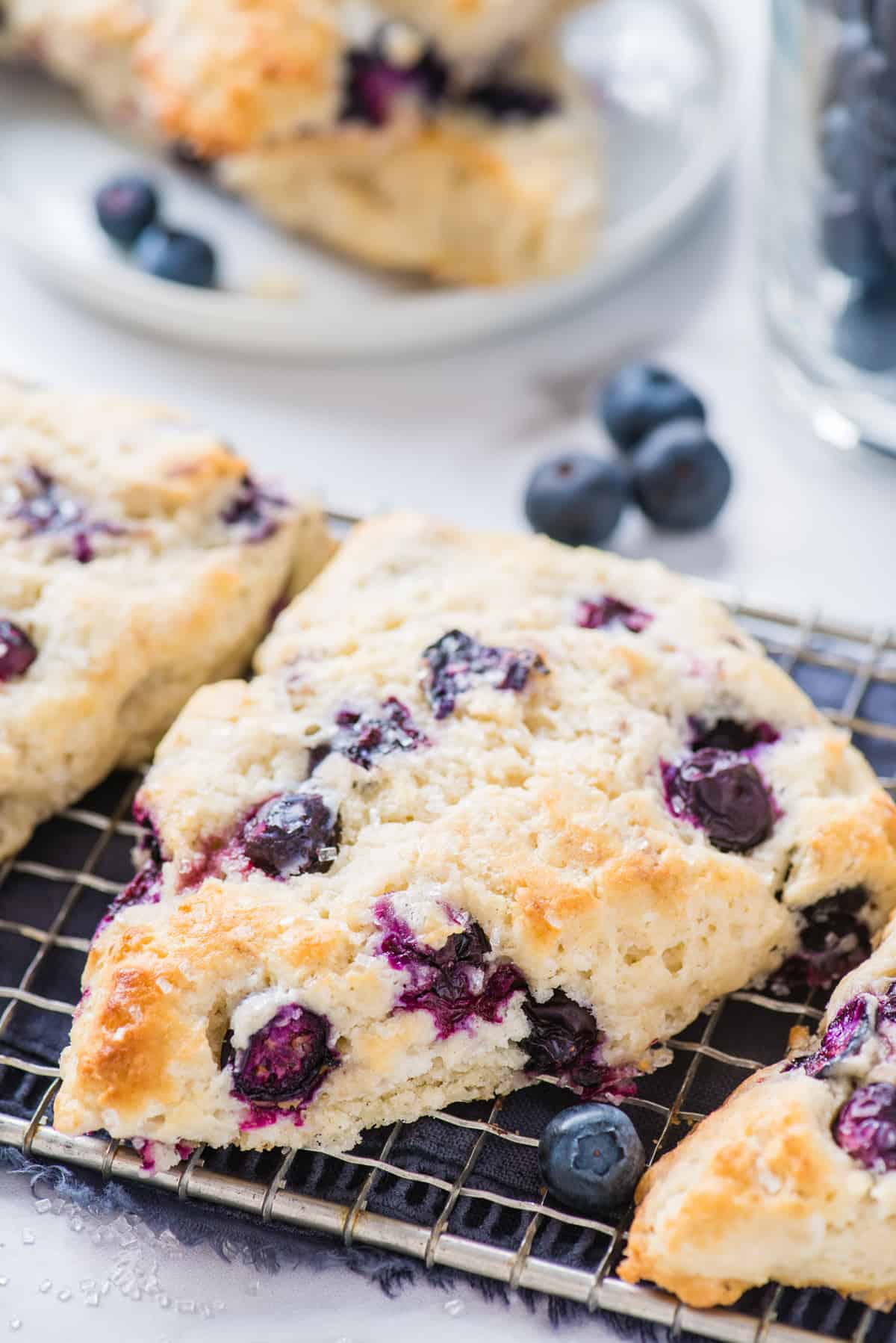
In a large bowl, combine the flour, sugar, baking powder, salt. These photos are showing my lemon blueberry scones, so they also have lemon zest. Add the cold, cubed butter and use your hands or a pastry cutter to cut in the butter until pea sized pieces remain.
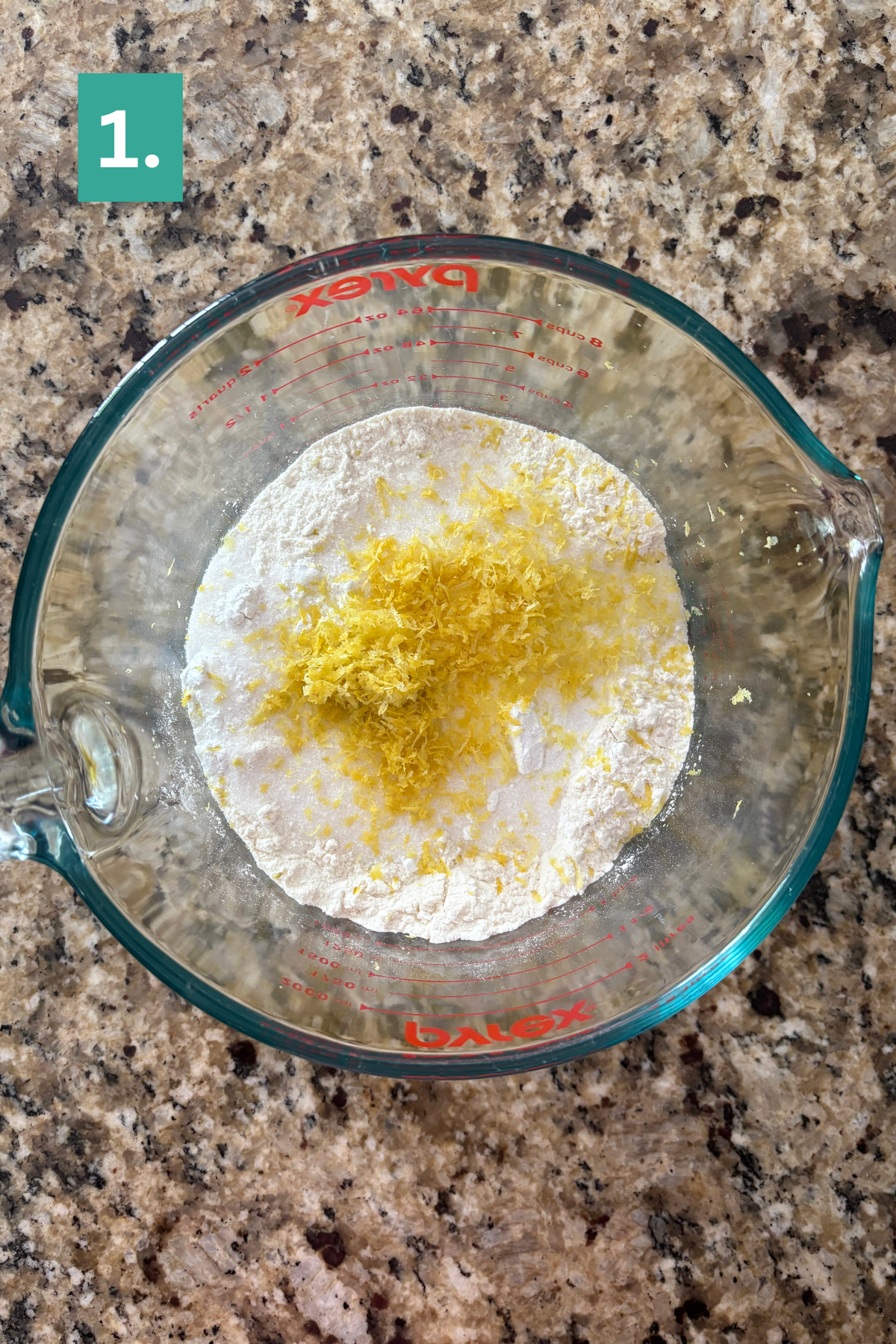
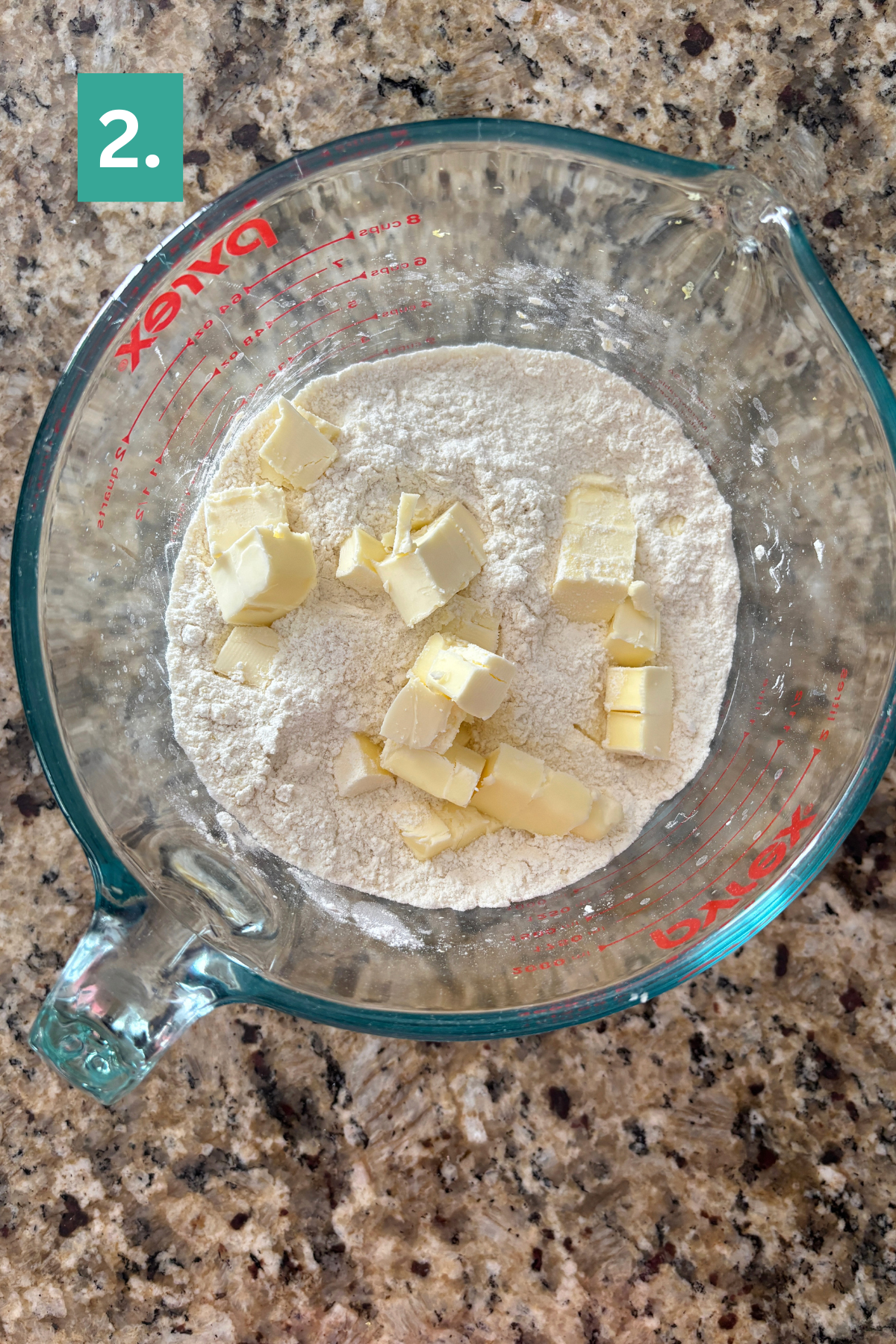
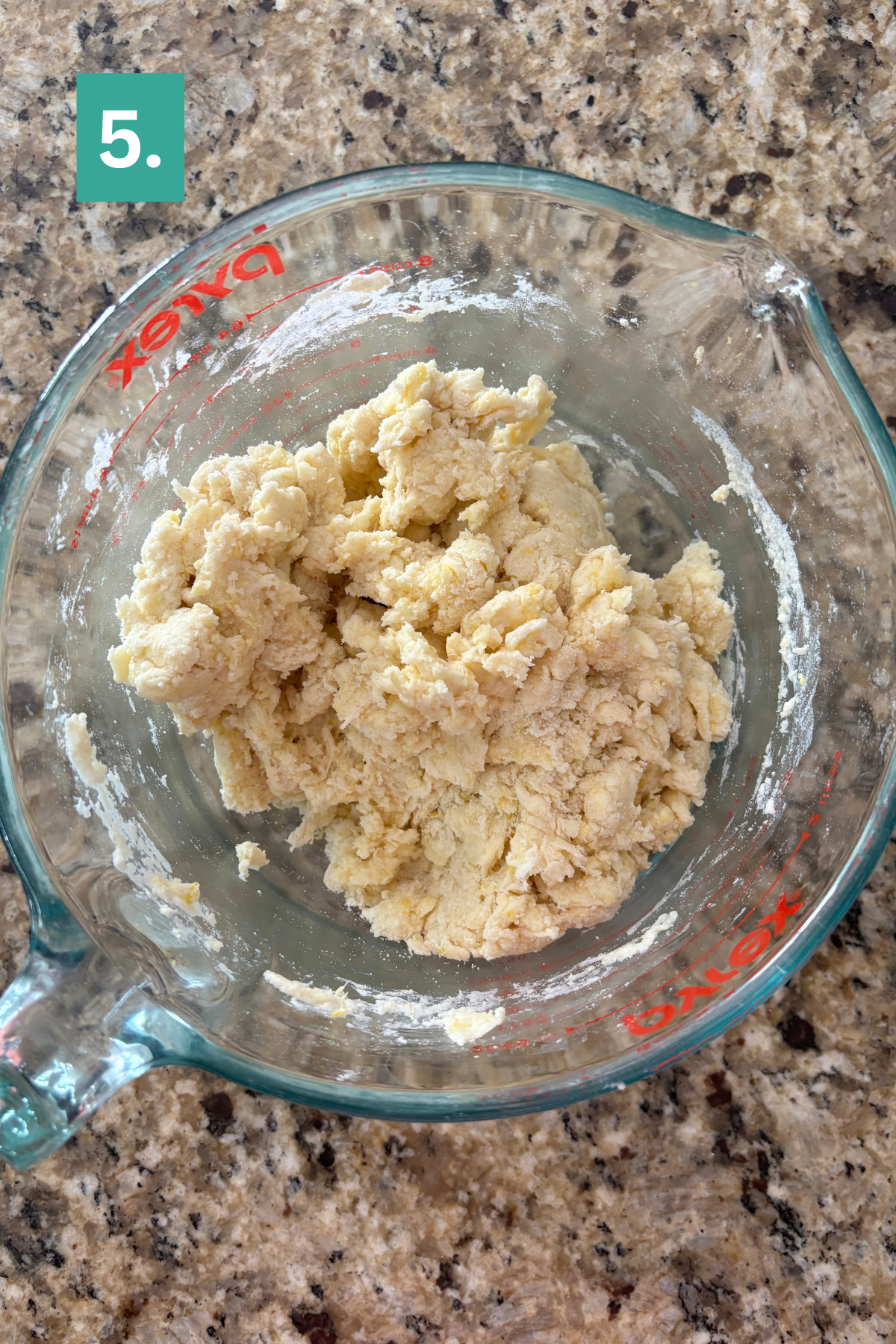
Create a well in the center. Add the buttermilk, lemon juice, and egg. Use a spatula to gently combine until the dough comes together thick and sticky.
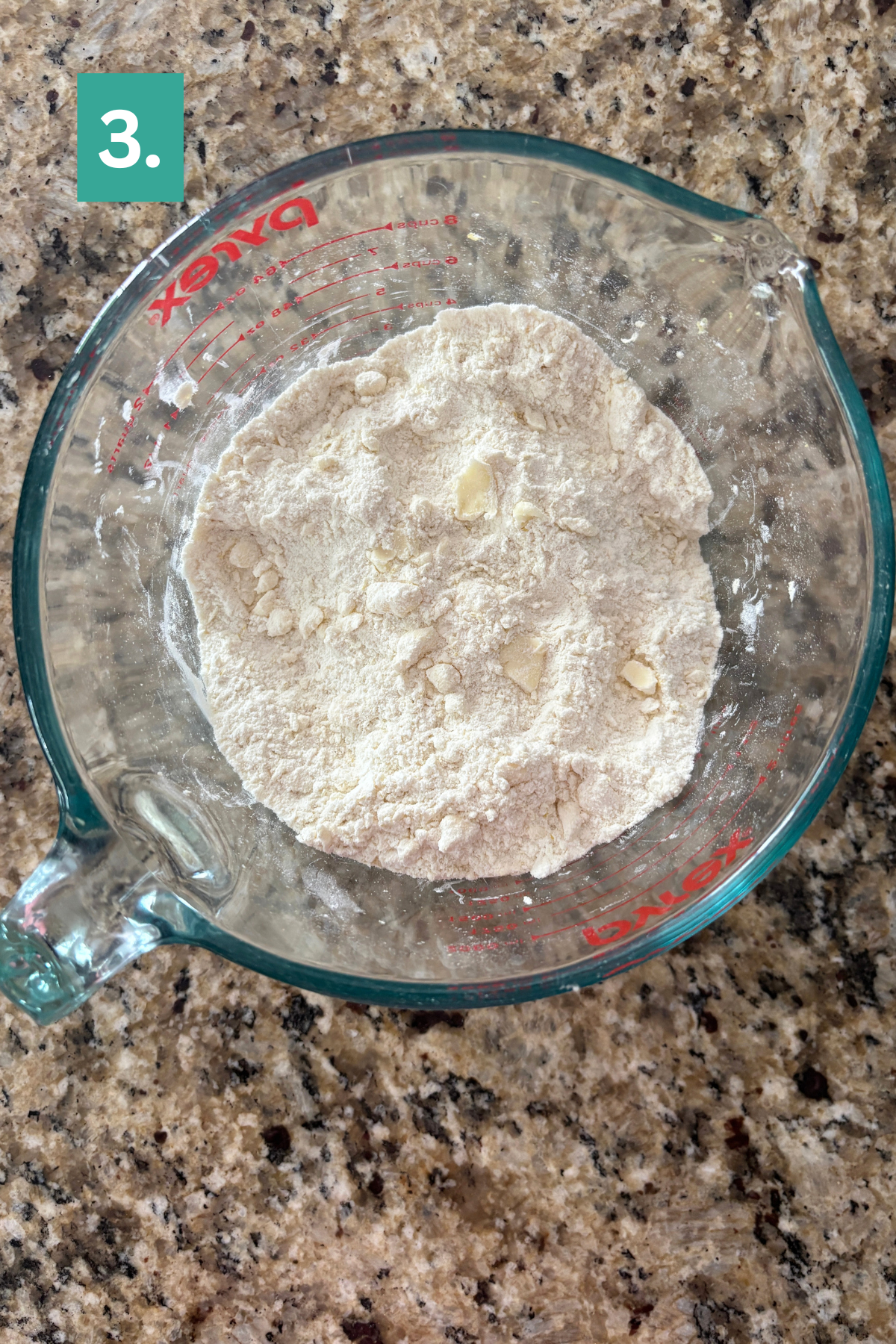
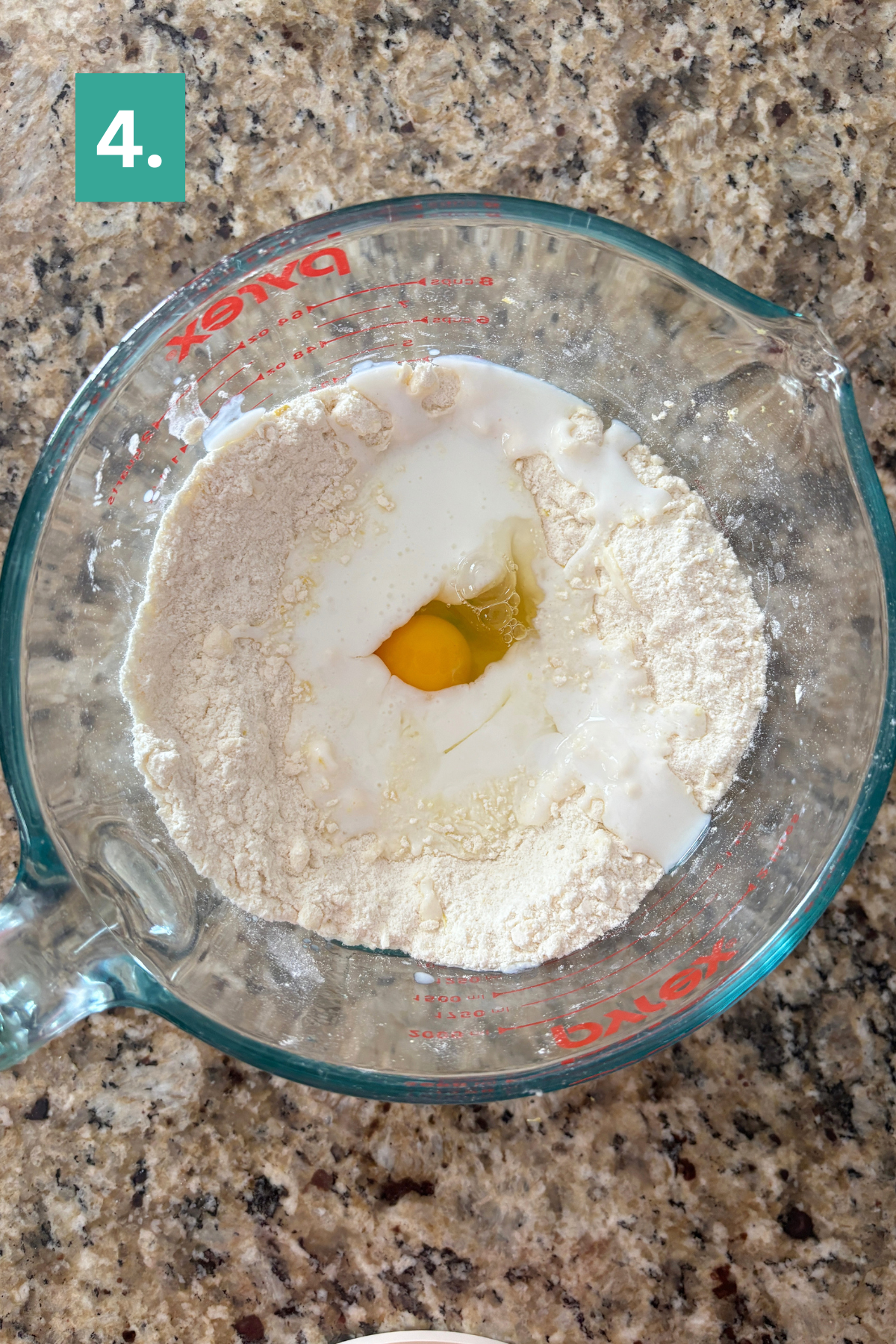
Turn the dough onto a lightly floured surface and gently knead until all the flour is incorporated. If the dough is sticky, add 1 to 2 tablespoons more flour.
Gently fold in the blueberries.
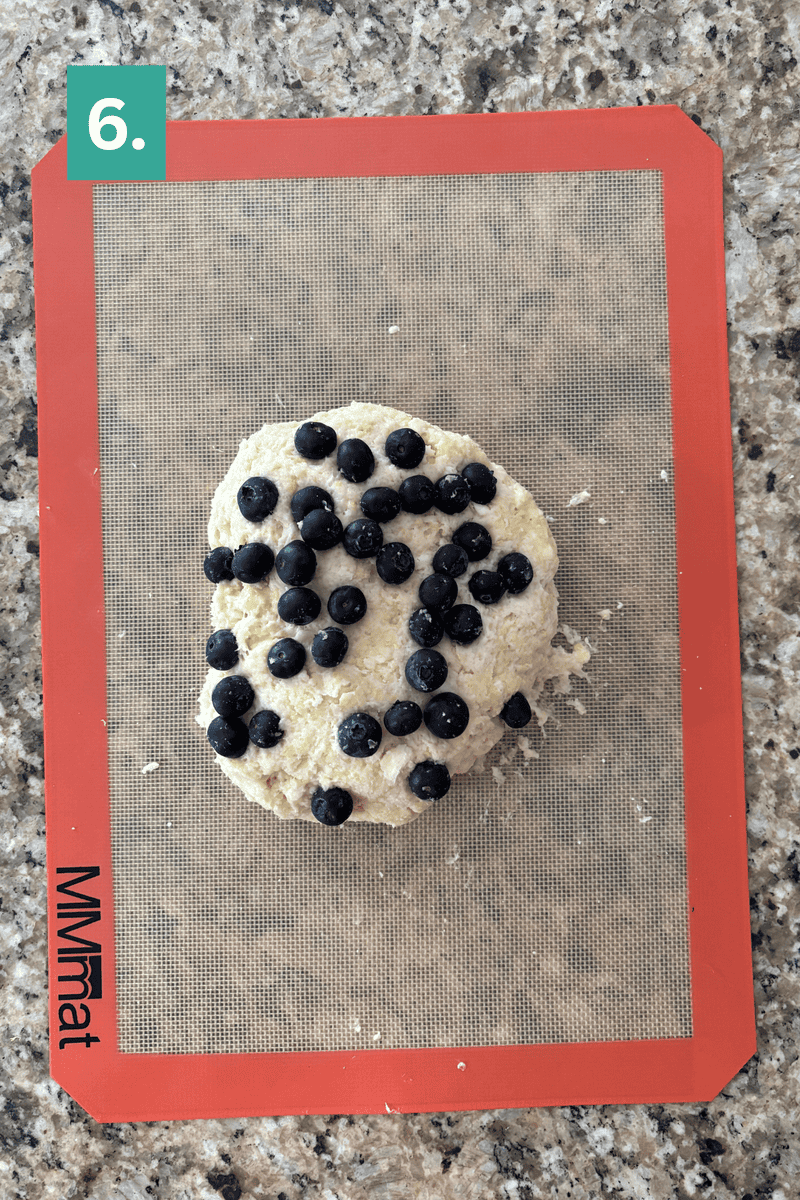
Lamination (folding the dough to create flaky layers!): Fold the dough in half, press it down slightly, then turn the dough 90 degrees and fold in half again. Repeat this folding and turning process 4-5 times.
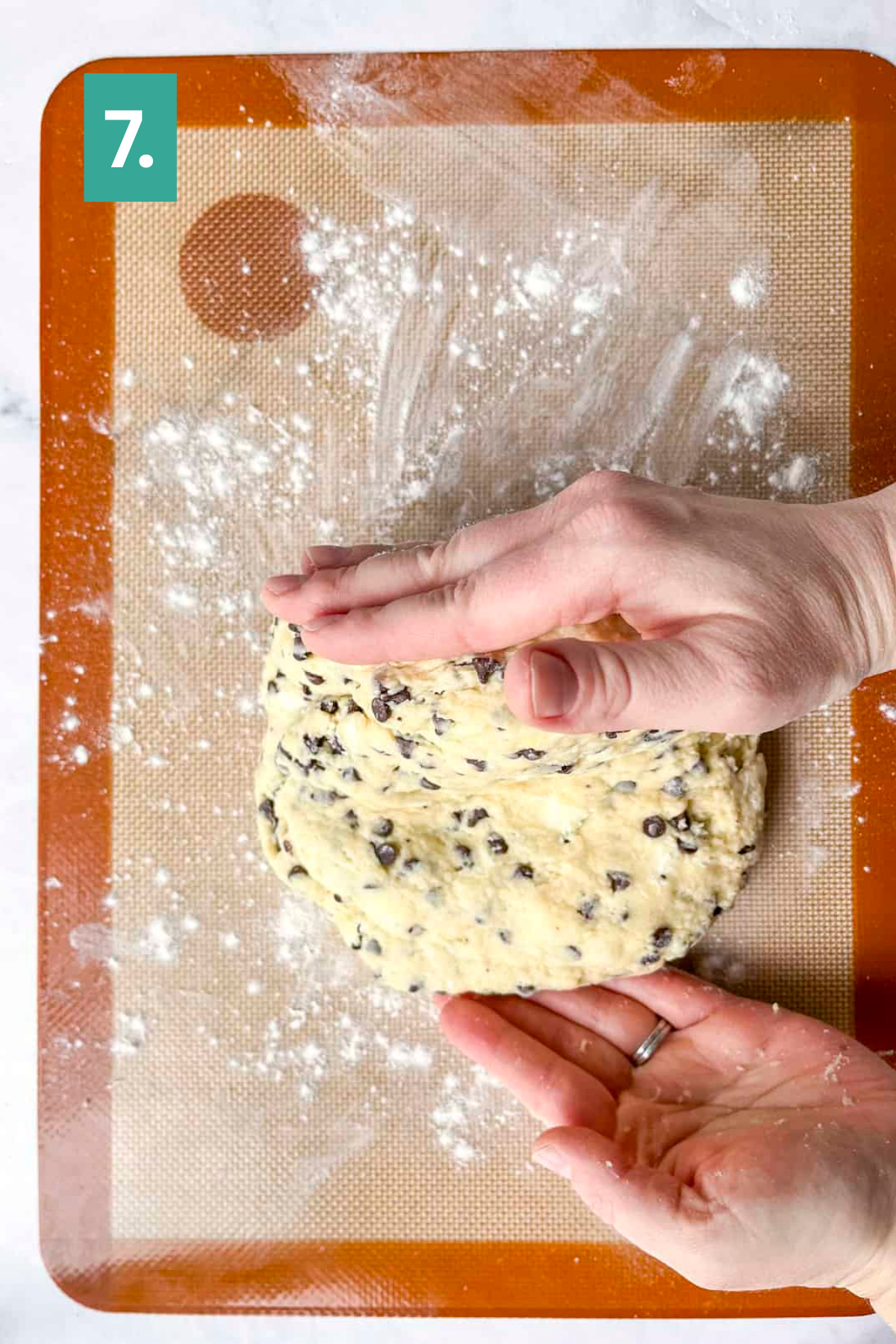
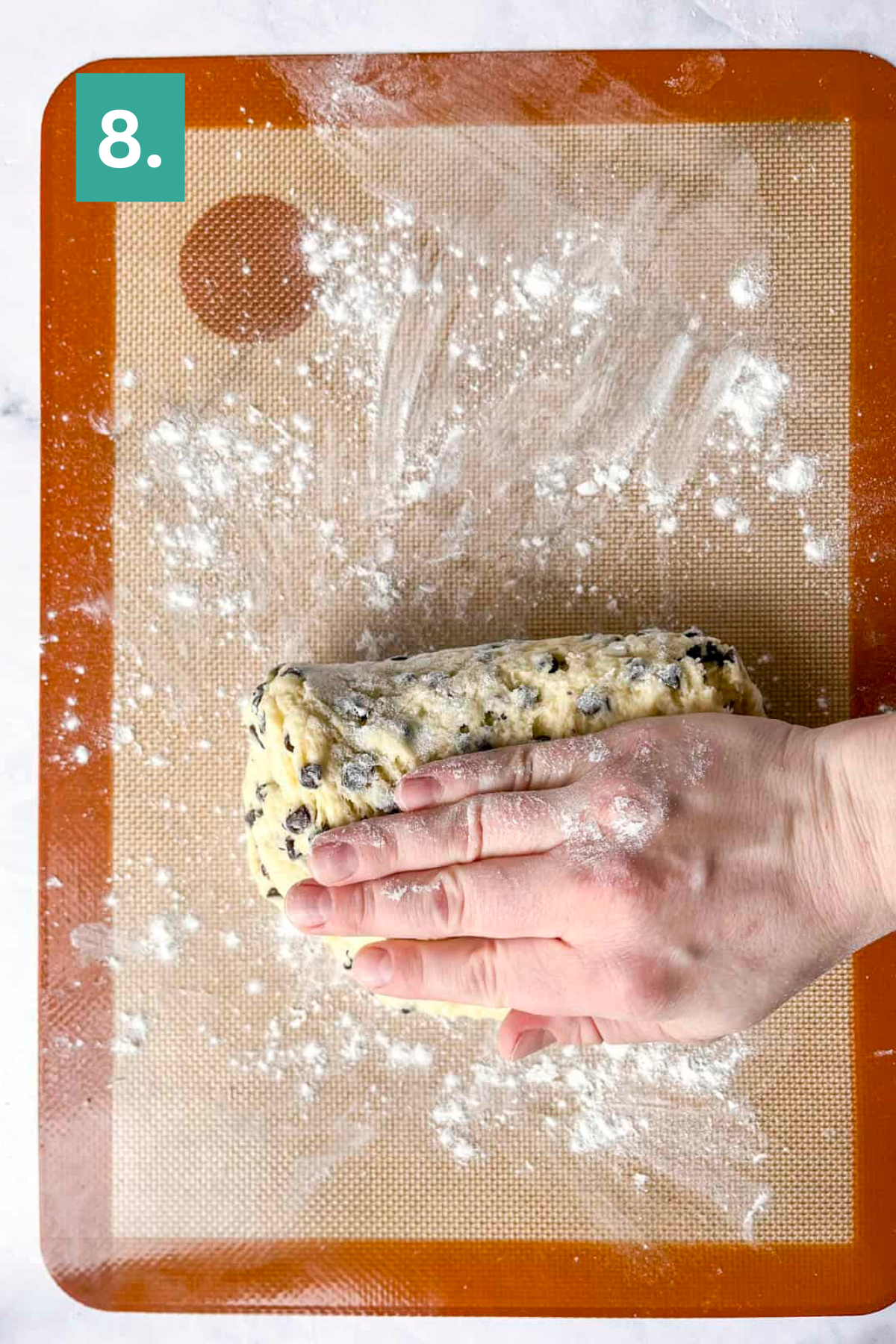
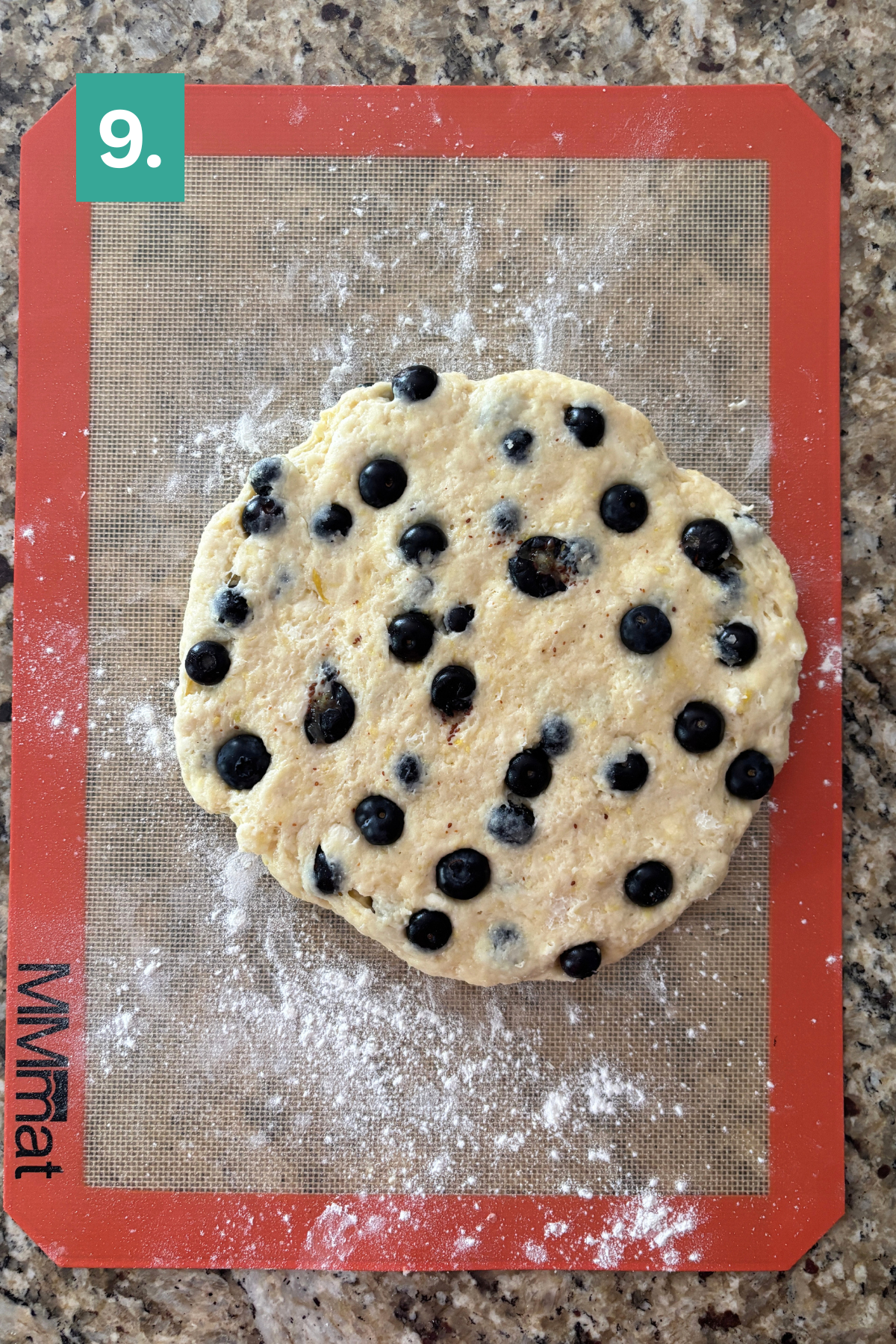
Shape the dough into an 8 to 10 inch disc, about 1.5 to 2 inches tall. Add additional blueberries in any bare spots. Chill in the fridge for 10 minutes.
Cut into 8 equal wedges using a sharp knife or pizza cutter.
Space the scones 2 to 3 inches apart on a parchment lined baking sheet.
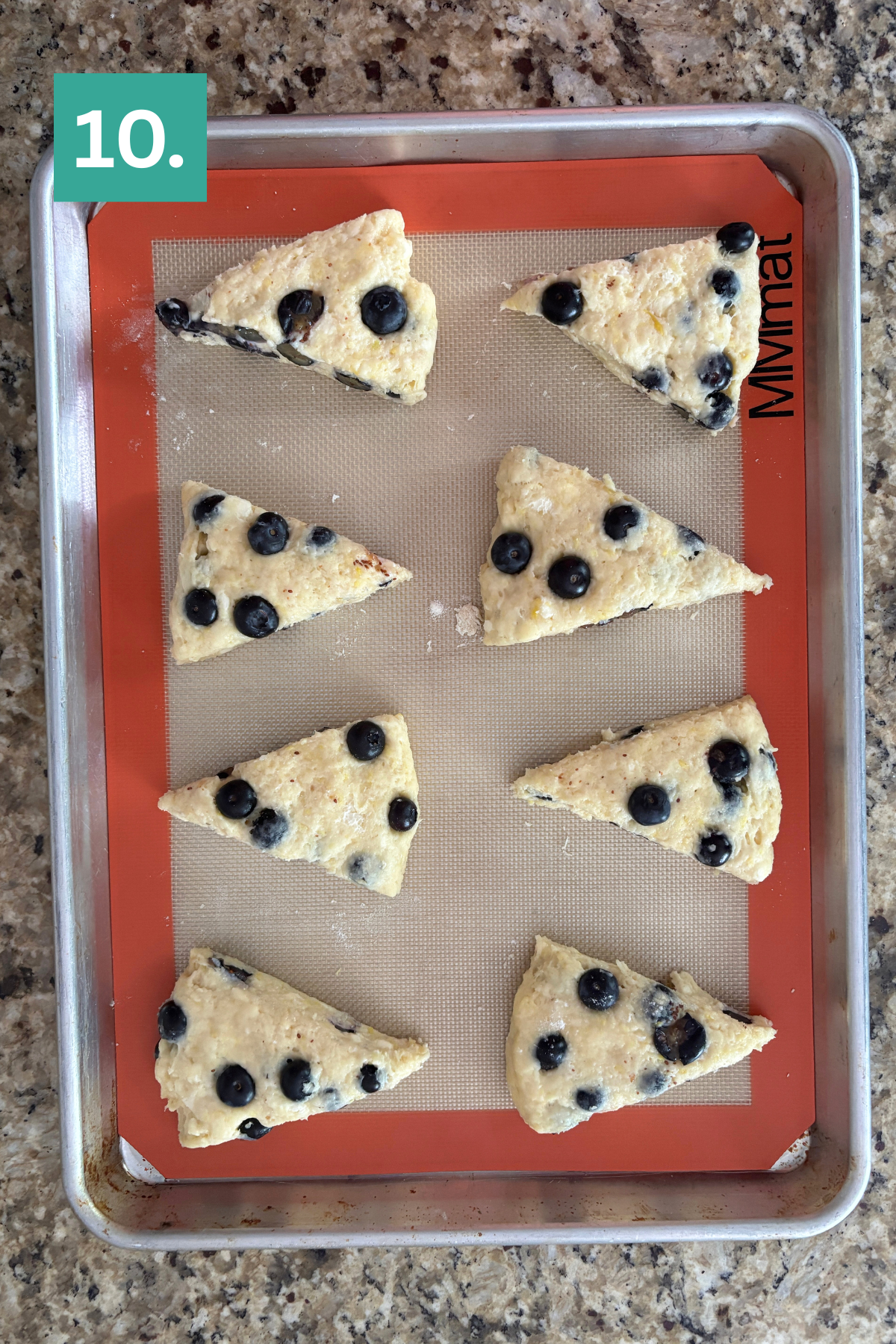
Freeze the scones for 30 minutes. In the last 5 minutes, preheat your oven to 400°F.
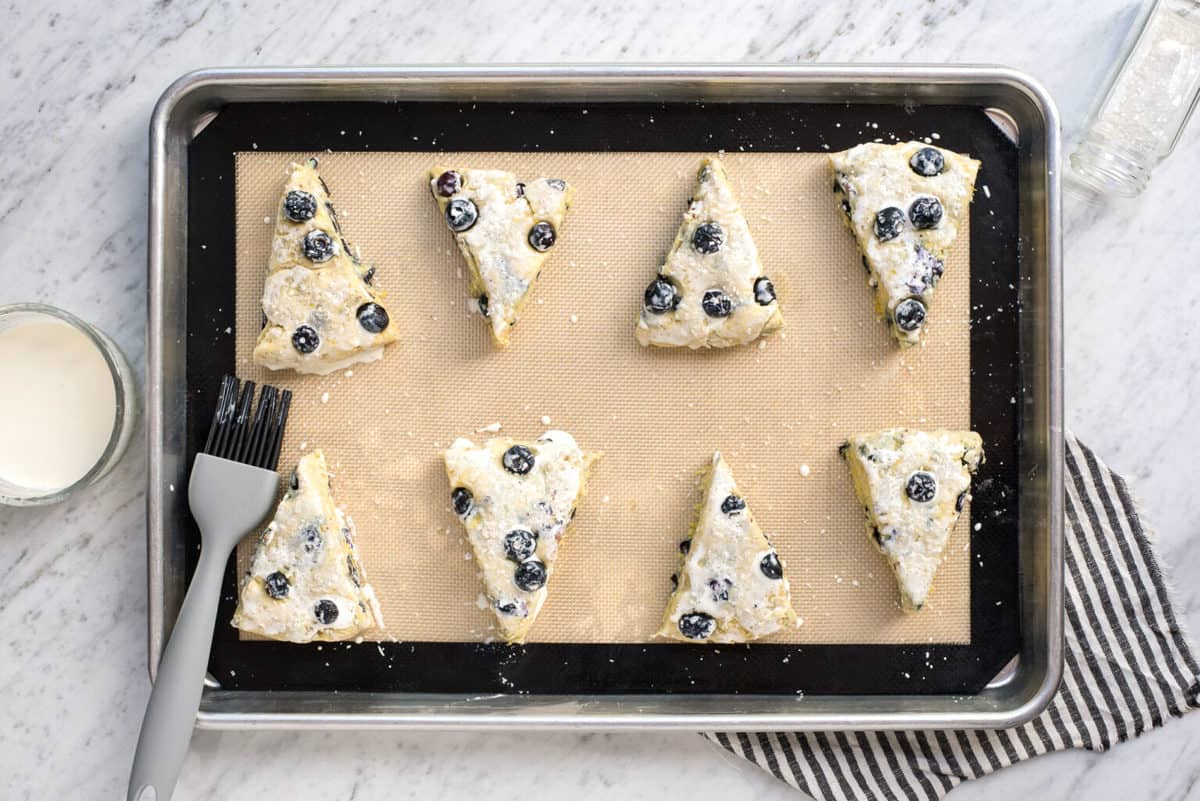
Brush the tops with egg wash (1 egg plus 1 tablespoon water) or buttermilk. Add coarse sanding sugar if you want some sparkle.
Bake 20 to 26 minutes until lightly golden. Cool before glazing.
The Freeze Step (Do Not Skip It)
This is the step that most home bakers leave out, and it is the reason their scones spread flat. Thirty minutes in the freezer before baking does two things. It firms the butter back up after it softened during mixing, and it keeps the scone dough cold enough to hold its shape in the first few minutes of baking before the outside sets.
Cold butter hitting a hot oven creates steam. That steam is what lifts the layers. If the butter is already soft when it goes in, you get spread instead of height. The freeze step is free insurance for a better scone. I go deeper on this technique in my master scone recipe if you want the full breakdown.
Tips for the Best Blueberry Scones
- Keep the butter cold from start to finish. If your kitchen runs warm, cube the butter and put it back in the freezer for 10 minutes before you start.
- Use only 1 cup of blueberries. More than that and the dough gets too wet and loses structure in the oven.
- Measure your flour correctly. Spoon it into your measuring cup and level off the top. Scooping directly from the bag packs in too much flour and leads to dry scones.
- Do not overmix. Once the dough comes together, stop. Overworking it develops gluten and you end up with a tough, chewy scone instead of a tender, flaky one.
- Want a citrus version? My lemon blueberry scones add a tablespoon of lemon zest and a lemon glaze that is genuinely worth it.
How to Serve Blueberry Scones
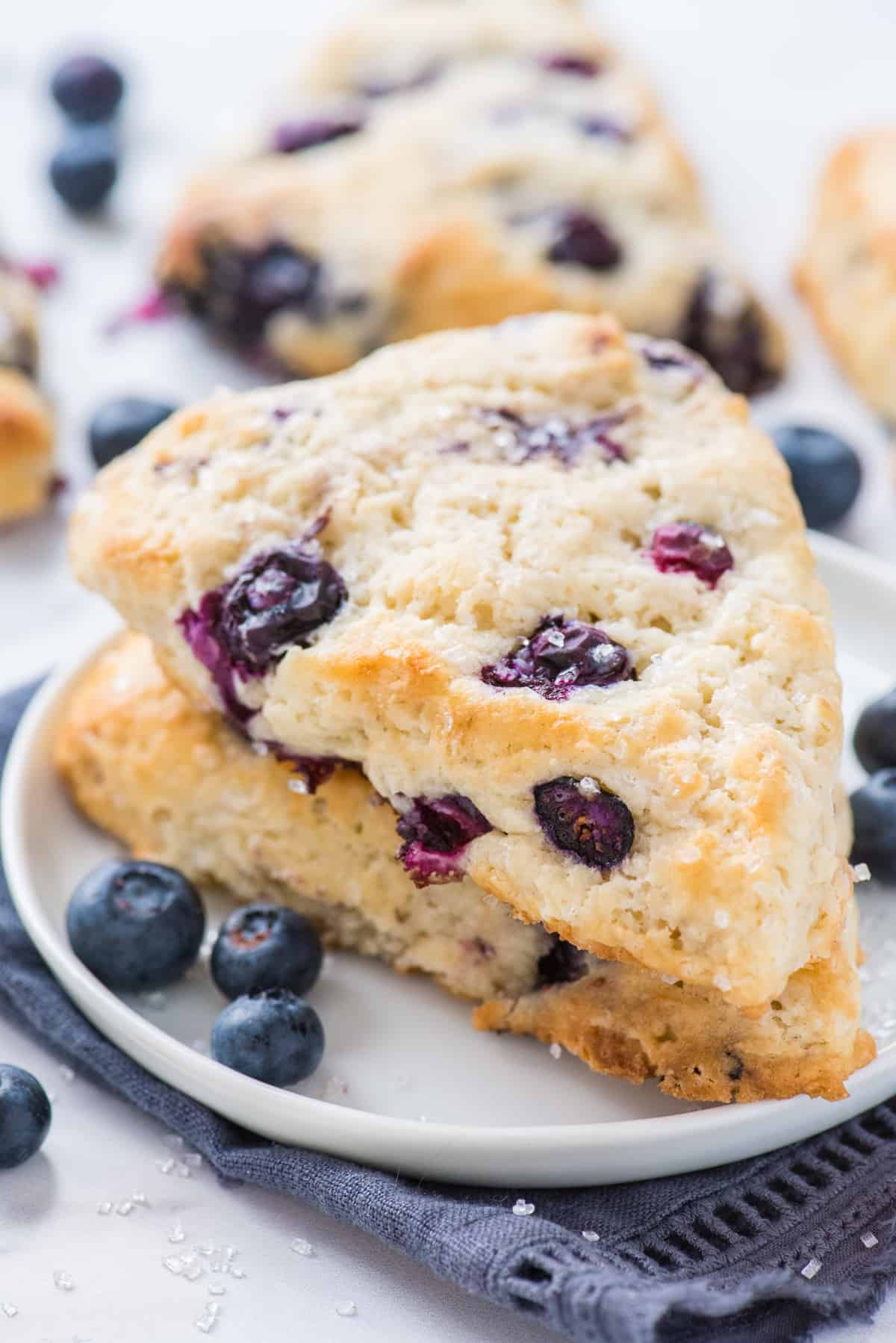
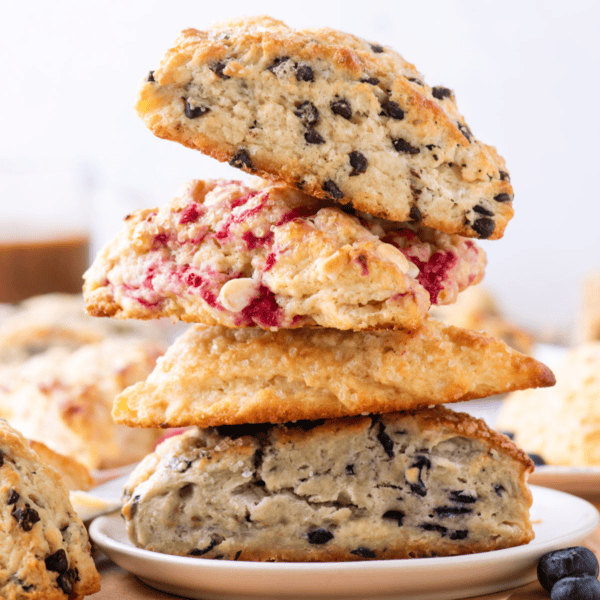
Fresh and slightly warm is the move. They are perfect as-is but also excellent with a little butter, a drizzle of honey, or a simple vanilla glaze if you want something a bit more indulgent. Serve them alongside coffee or tea for the full experience. They make a genuinely impressive thing to bring to a brunch without requiring much effort, which is my personal favorite way to use them. If you are already planning a spread, my raspberry white chocolate chip scones and strawberry scones are both great alongside these.
Gluten Free Blueberry Scones
I’ve made these scones with both regular and gluten free flour with awesome results on multiple occasions. I recommend King Arthur’s Gluten Free Measure for Measure Flour. Use it as a one for one substitute for regular flour.
Storing Scones
To Store: Cool the scones completely before storing. Seal them in an airtight container at room temperature for up to 2 days. Skip the fridge as it dries them out faster than you would expect.
To Make Ahead: Shape the dough into wedges and place them on a lined baking sheet. Cover tightly and freeze overnight. Bake the next day straight from the freezer. No adjustments needed.
To Freeze: Freeze the unbaked scones on a baking sheet until solid, then transfer to a zip top freezer bag for up to 2 months. Bake directly from frozen, adding 2 to 3 minutes to the bake time. This is genuinely the best make ahead move for scones.
DELICIOUS and easy to put together!
-Mary

FAQs for Blueberry Scones with Buttermilk
Yes, frozen blueberries work in this recipe. Do not thaw them first. Add them to the dough straight from the freezer and work quickly so they do not start releasing liquid into the dough. Fresh blueberries will always give you cleaner results, but frozen is a perfectly good option.
Almost always a butter temperature issue. If the butter warmed up during mixing and you did not give the scones the full 30 minutes in the freezer before baking, they will spread. Cold butter is what creates the steam that lifts the layers. Make sure both the butter and the shaped scones are cold before they hit the oven.
Most likely too much flour. Scooping your measuring cup directly into the flour bag packs in way more than you need. Spoon the flour into the cup and level it off with a knife, or better yet, use a kitchen scale. Overbaking is the other culprit, so start checking at the 20 minute mark.
Heavy cream is the best swap and gives you a slightly richer scone. I do not recommend regular milk or plant based milks here. If you are out of buttermilk entirely, my DIY buttermilk tutorial takes about two minutes and uses ingredients you already have.
More Recipes Like Blueberry Buttermilk Scones
Tap stars to rate!
Buttermilk Blueberry Scones
Video
Ingredients
- 2 ½ cups (300g) all purpose flour
- ½ cup (99g) granulated sugar
- 1 Tbsp baking powder
- ½ tsp salt
- ½ cup (113g) cold unsalted butter, cubed
- ½ cup (113g) buttermilk
- 1 large egg
- 1 tsp vanilla extract
- 1 cup (about 150g) fresh blueberries
Instructions
- In a large bowl, combine the flour, sugar, baking powder, and salt. Add the cold, cubed butter and use your hands or a pastry cutter to cut in the butter until pea sized pieces remain.2 ½ cups (300g) all purpose flour, 1/2 cup (99g) granulated sugar, 1 Tbsp baking powder, 1/2 tsp salt, 1/2 cup (113g) cold unsalted butter
- Create a well in the center. Add the buttermilk, egg and vanilla extract. Use a spatula to gently combine until the dough comes together thick and sticky.1/2 cup (113g) buttermilk, 1 tsp vanilla extract, 1 large egg
- Turn the dough onto a lightly floured surface and gently knead until all the flour is incorporated. If the dough is sticky, add 1 to 2 tablespoons more flour.
- Gently fold in the almost all of the blueberries, reserving some for the top.1 cup (about 150g) fresh blueberries
- Lamination (folding the dough to create flaky layers!): Fold the dough in half, press it down slightly, then turn the dough 90 degrees and fold in half again. Repeat this folding and turning process 4-5 times.
- Shape the dough into an 8 to 10 inch disc, about 1.5 to 2 inches tall. Press the remaining blueberries in any bare spots. Chill in the fridge for 10 minutes.
- Cut into 8 equal wedges using a sharp knife or pizza cutter.
- Space the scones 2 to 3 inches apart on a parchment or silicone lined baking sheet. Freeze the scones for 30 minutes. In the last 5 minutes, preheat your oven to 400°F.
- After freezing, brush the tops with egg wash (1 egg plus 1 tablespoon water) or buttermilk. Add coarse sanding sugar if you want some sparkle.
- Bake 20 to 26 minutes until lightly golden. Cool before glazing.
Glaze
- Whisk together 1 cup of powdered sugar with 2 to 3 tablespoons of milk or heavy cream until smooth and pourable. Add liquid one teaspoon at a time until it runs off a spoon in a slow ribbon. Drizzle over the cooled scones and let it set for about 15 minutes before serving.
Last Step: I’d love to hear what you think. Leave a rating and comment here.










These scones look gorgeous! Loving the way you used that creamer in here :)
The creamer adds great vanilla flavor!!
I can’t resist a good scone! I wish I had one now to go with my coffee!
Looks so good! Could you also use other fruit like raspberries?
Yep I believe that would work!
These are in the oven RIGHT NOW!!! Can’t wait to try them! Quick question–when I poured my dough onto the baking stone, it was almost dry. Not too dry, but definitely a little dry in spots to where there were dryer crumbs around the outside of the circle. Would you suggest adding a little bit of water or more creamer next time?
Hi Sara! How did they turn out? Scone batter is super thick, but it shouldn’t stick to your hands too much – is that what you mean by dry?
Just made these Omg they look great and taste oh so good
I love these scones! It’s nice to see blueberries back in the store!
Flavor is good but this is the STICKIEST dough I have ever worked with and I am a very experienced baker. The ratio of flour is off. I used a food processor to cut my butter in so I know my hands didn’t melt any butter and make it even worse.
Hi, can i use blueberry in can?
Hi Loida! Are you talking about canned blueberries – not blueberry pie filling, right? I don’t have experience with canned blueberries, I’m guessing they would dye the batter. If that doesn’t matter to you, give it a try!
can i freeze the dough ?
Hi Alex! I haven’t experimented with freezing scone dough before.
I’ve never heard of laminating scones before….as a pastry chef that’s odd. Danish and croissants are laminated this will actually flatten the scones and make them less fluffy. And yes you can freeze them. For up to two months if sealed tightly.
If you over laminate it can flatten them, but I recommend folding only a few times, which does help make them flaky!
Can you use ordinary milk ?
I haven’t tested this recipe using regular milk, so I can’t say for sure!
Do you have a plain scone recipe
I do! https://thefirstyearblog.com/scones/