50+ Best Muffin Recipes (Bakery-Style, Tested & Easy)
Every muffin starts with a craving, and this page is built to match it. Blueberry, pumpkin, chocolate chip, simple or dressed up, it’s all here, organized so you can find your next bake in seconds.
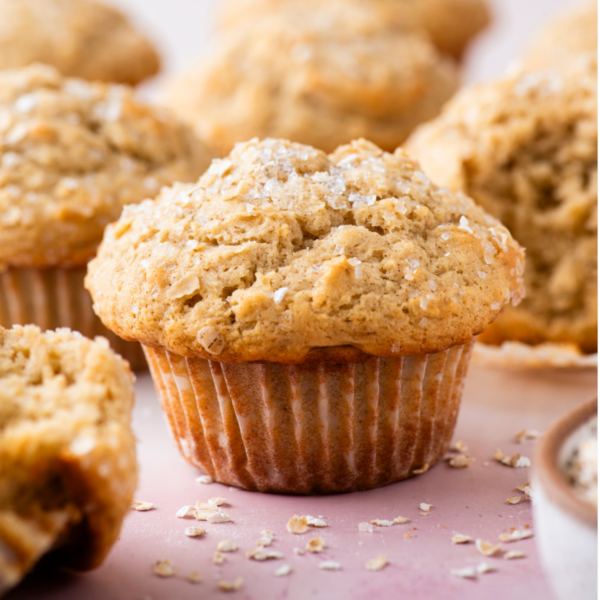
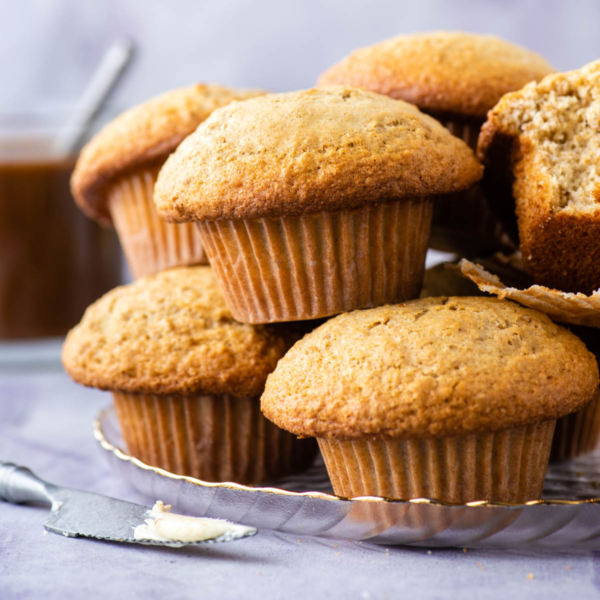
I taught myself to bake from scratch, and muffins became the thing I couldn’t stop testing. That obsession turned into a full cookbook, six months of trial and error until I locked in four techniques that give you that tall, domed bakery look using nothing but a standard muffin pan. Readers have used those same techniques for years now, which is how I ended up known as the internet’s muffin expert.
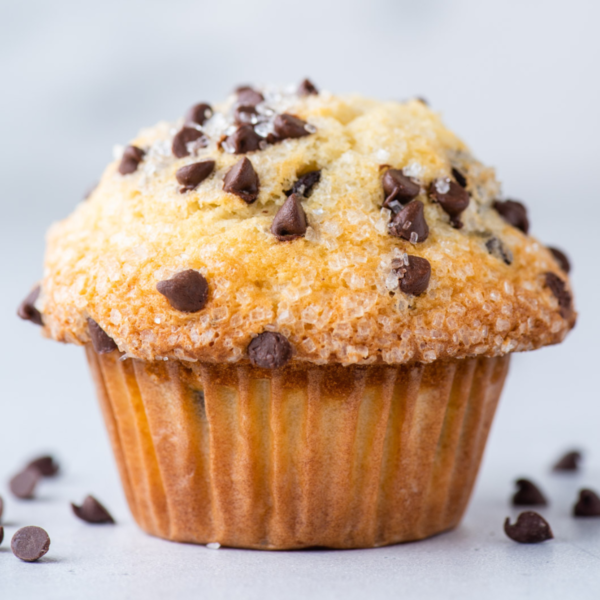
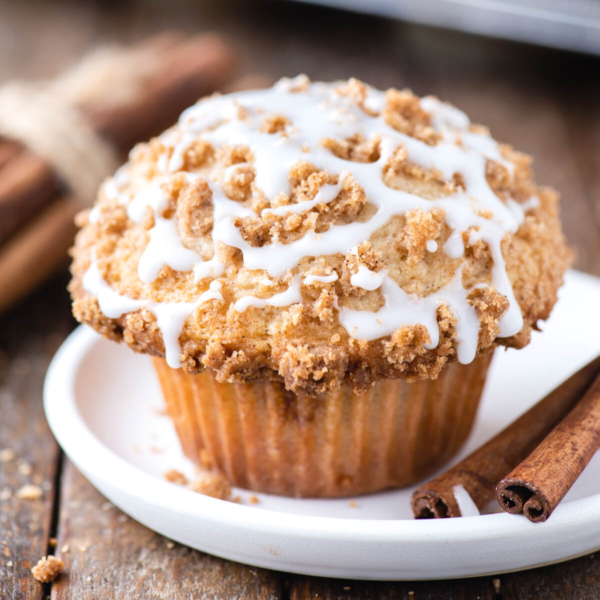
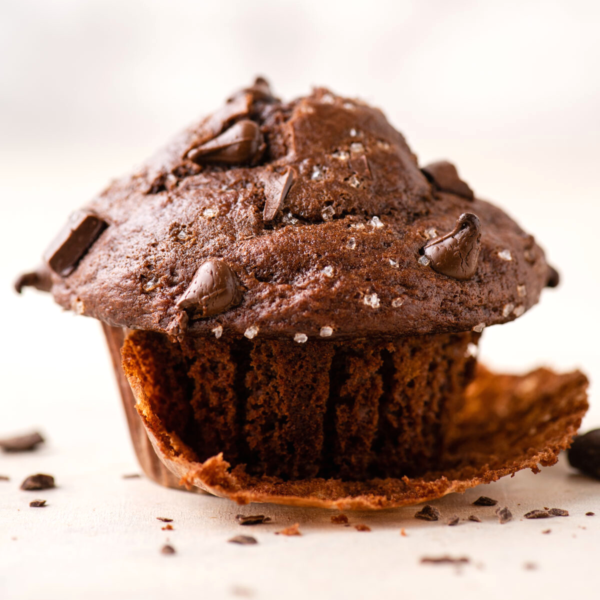
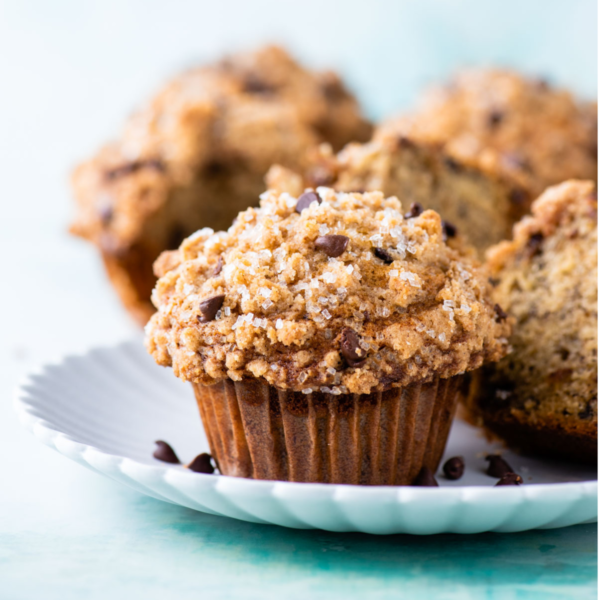
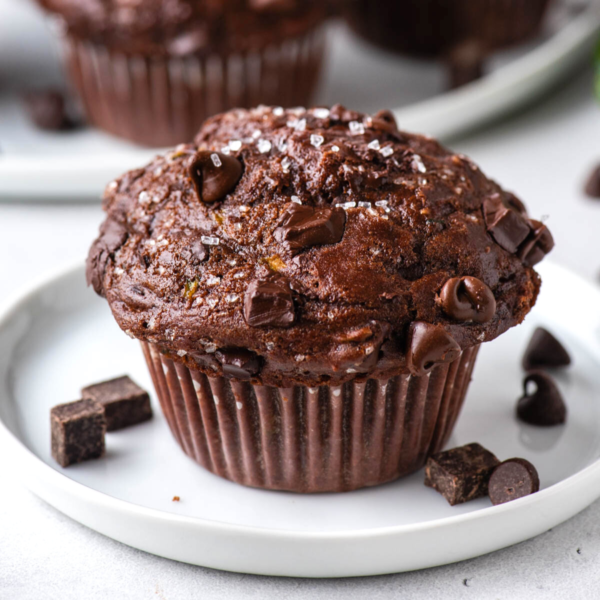
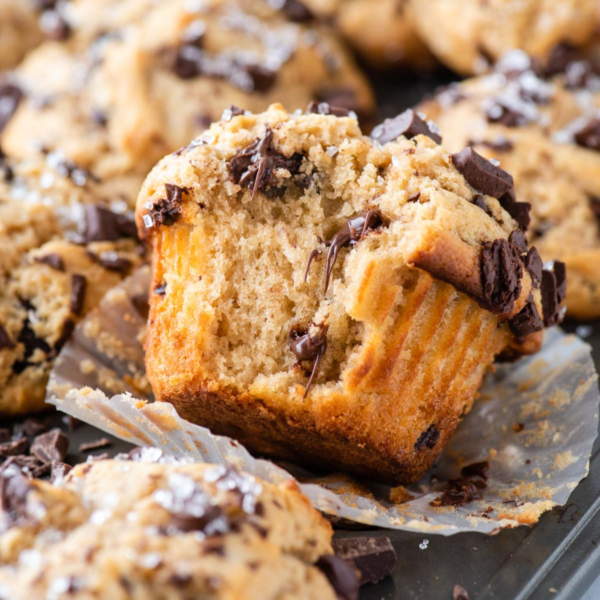
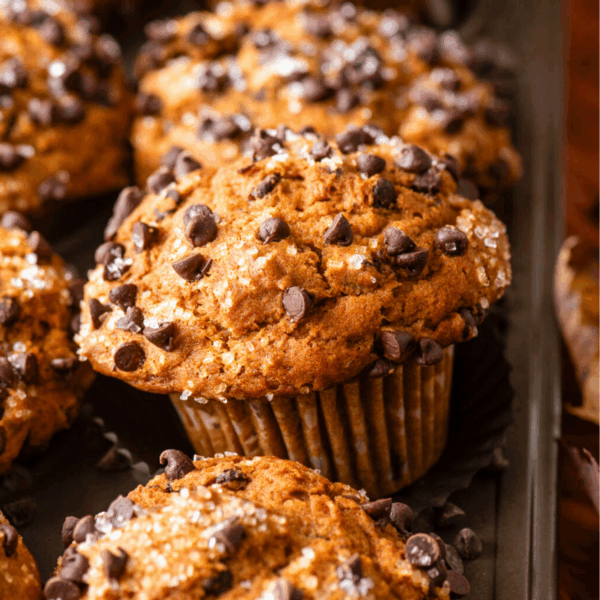
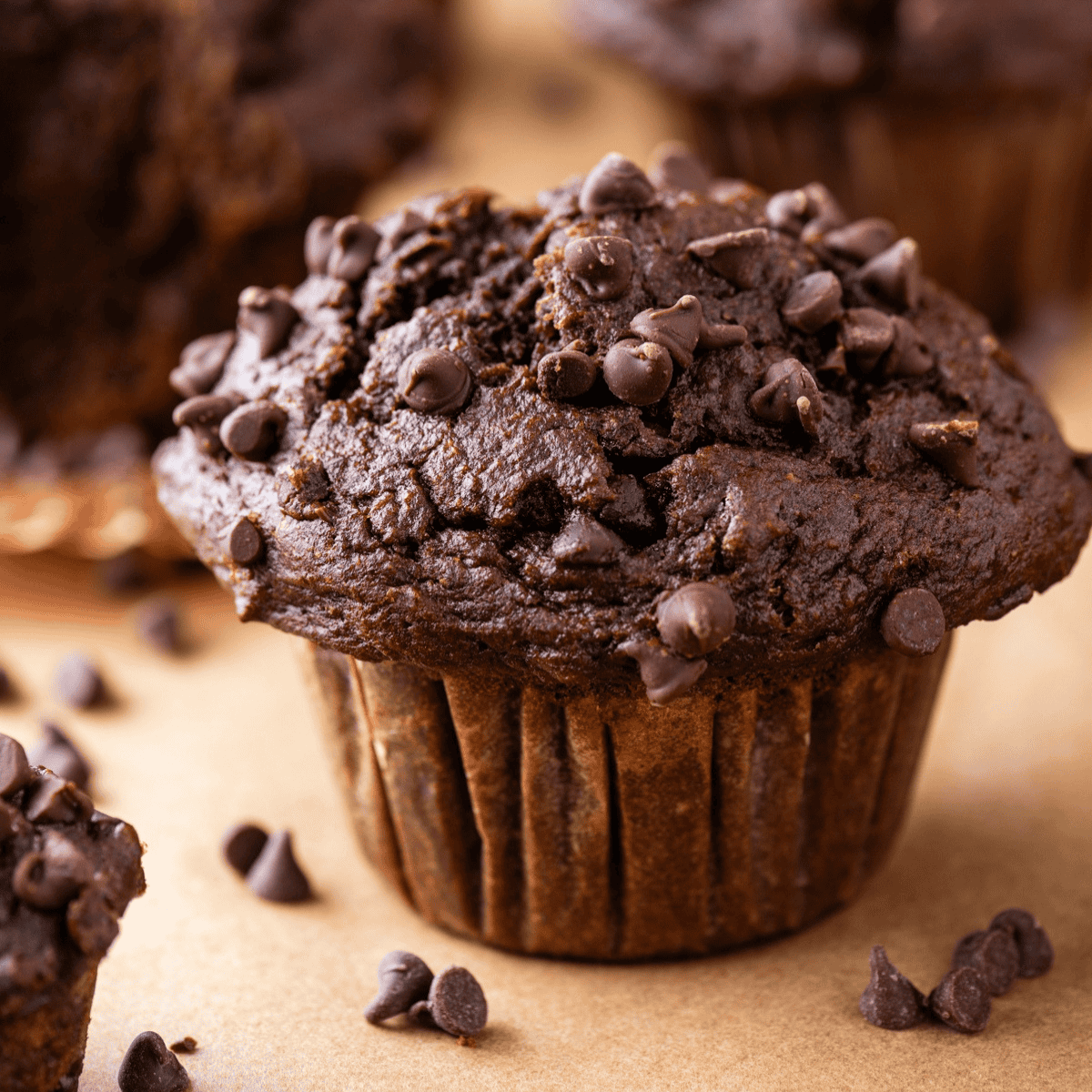
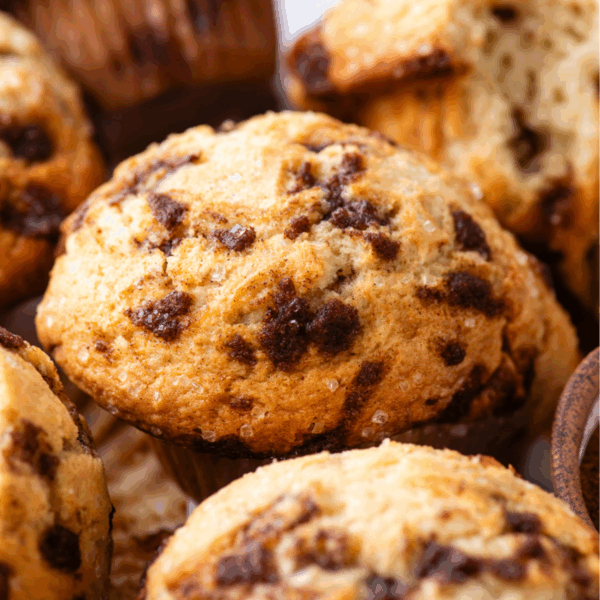
Ready to bake? Grab the chocolate chip muffins if you want a classic done right. Got bananas going soft on the counter? The banana muffins are exactly what to do with them. Craving something a little more special, the coffee cake muffins hide a full cinnamon swirl inside.
Tips for Bakery Style Muffin Recipe Success Every Time
✅ 1. Rest the batter for 15 minutes — Let the batter rest for 15 minutes after it’s mixed and before you scoop it into the muffin pan. During the resting period, starch molecules in the flour are absorbing the liquid in the batter, causing them to swell and giving the batter a thicker consistency (ref the kitchen whisper). Our 15 minute rest is just a quick rest.
✅ 2. Fill every other muffin cup — This tip has been a game changer! For bakery style muffin tops, line a 12 count muffin pan with 6 muffin liners, meaning you’ll only fill every other muffin well with batter. Filling every other cup allows the muffins to spread and dome without running into each other. This technique also encourages the muffins to brown, creating a golden muffin top.
✅ 3. Fill the liners to the top — Don’t be shy! Fill your muffin liners to the top with batter. Yes, this goes against everything you’re heard but it’s important in helping the muffin gain that height.
✅ 4. Start with a hot oven — Bake the muffins at a high temperature (425ºF) initially, then lower to 350ºF. Starting the muffins off at a higher temperature causes the batter to rise rapidly, setting the outer surface of the muffin, producing a dome shape.
✅ 5. Measure your flour correctly — The pros use a kitchen scale and you should too!
Moist, reliable, and endlessly adaptable—it’s your new go-to.
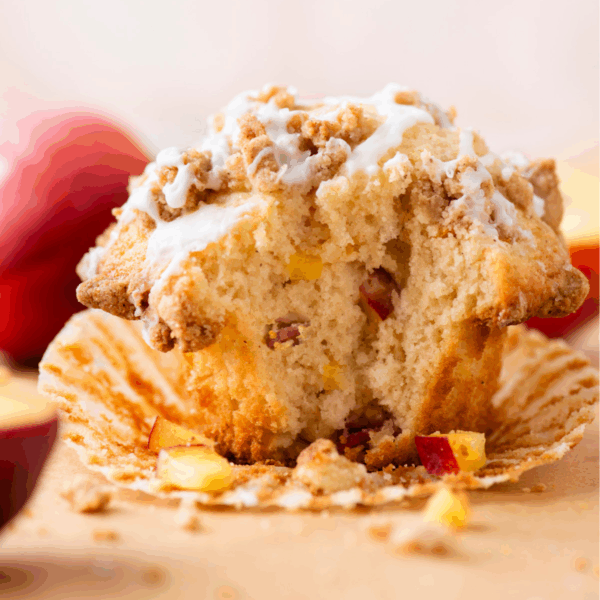
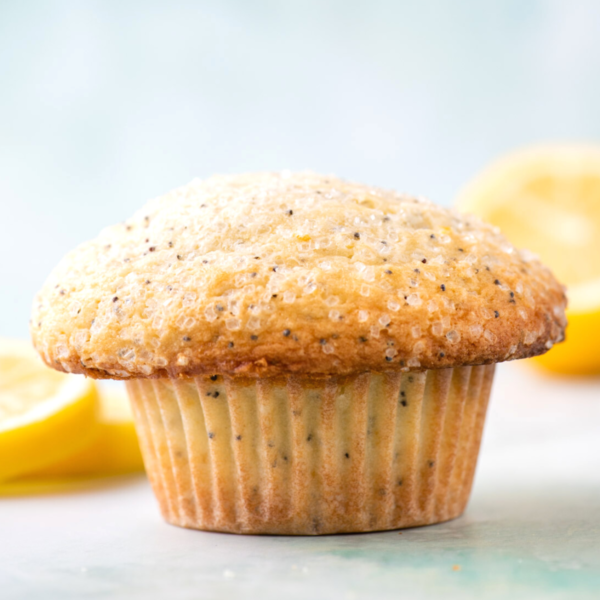
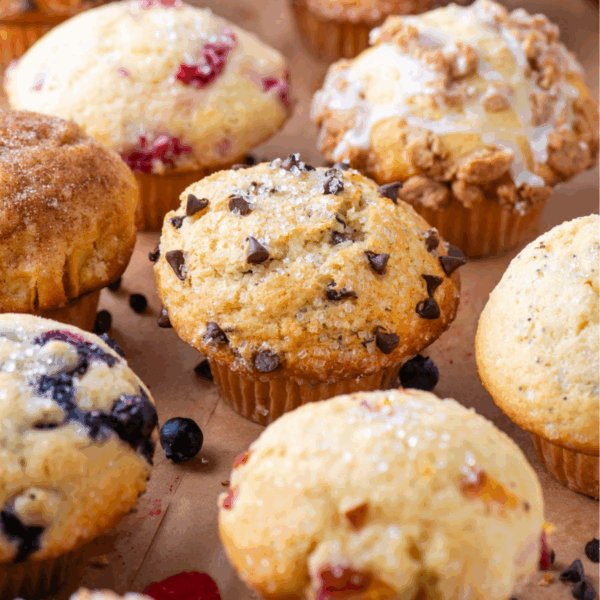
One basic muffin recipe—endless flavors: think blueberry, chocolate chip, lemon poppy seed, cinnamon chip, peach, or whatever you’re craving!
This recipe did not disappoint!! I followed Beth’s instructions to a T and the muffins turned out perfect!! They were large but moist – I really did feel like I picked them up from a bakery instead of taking them out of my own oven. Thank you for the tips and recipe, Beth! I’m already dreaming above the next time I make these 🤩
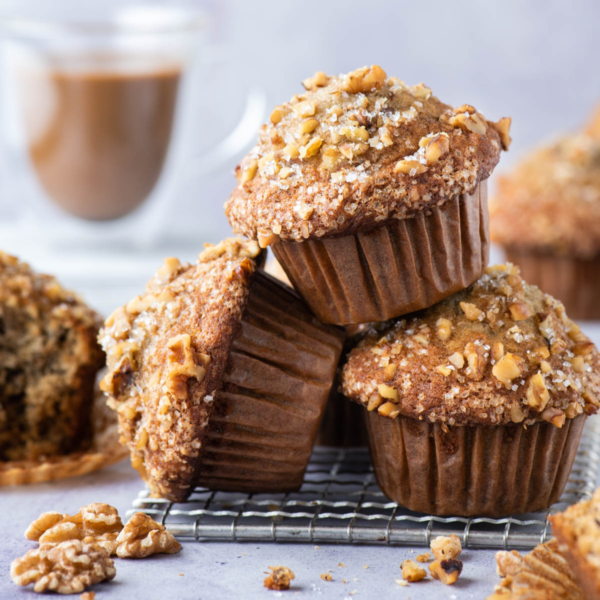
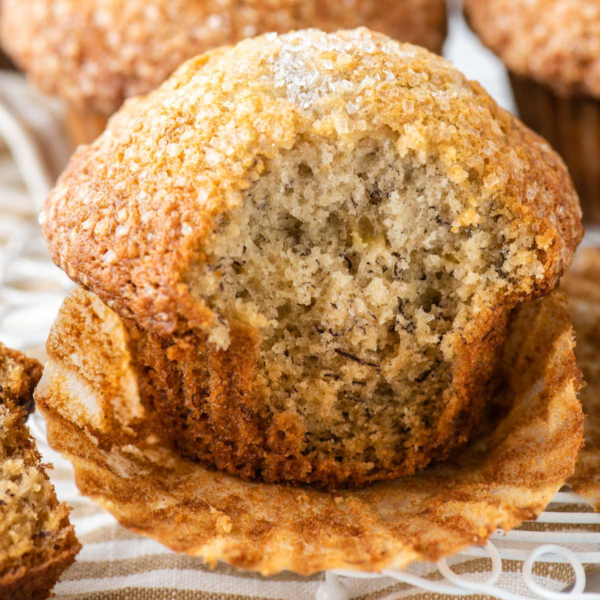
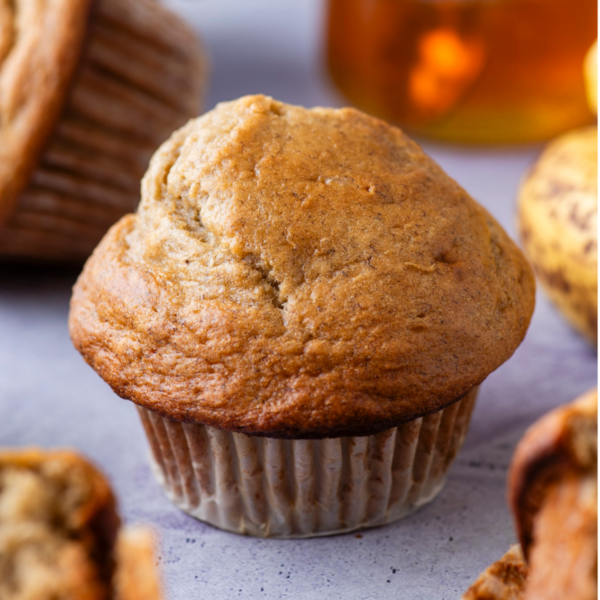
Love your Banana muffins! Second time making them this week! Thank you for all your tips and tricks. I added some cranberries (fresh and dehydrated) and topped with pumpkin seeds and a pecan for some extra fun! Thx 😊 -Deborah
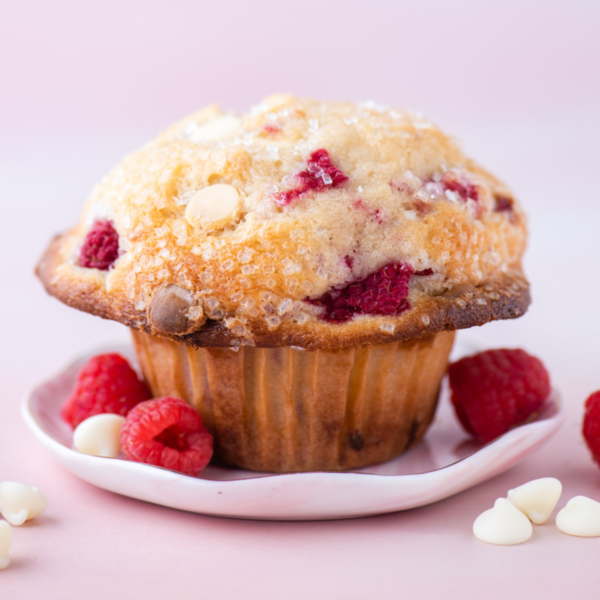
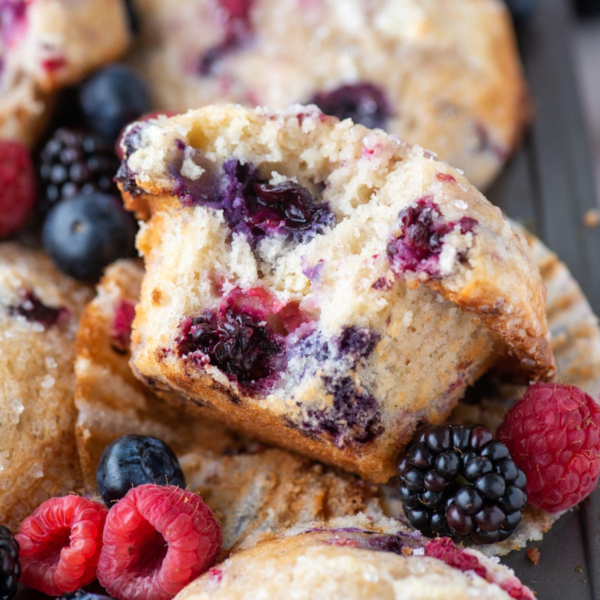
Berry Muffins
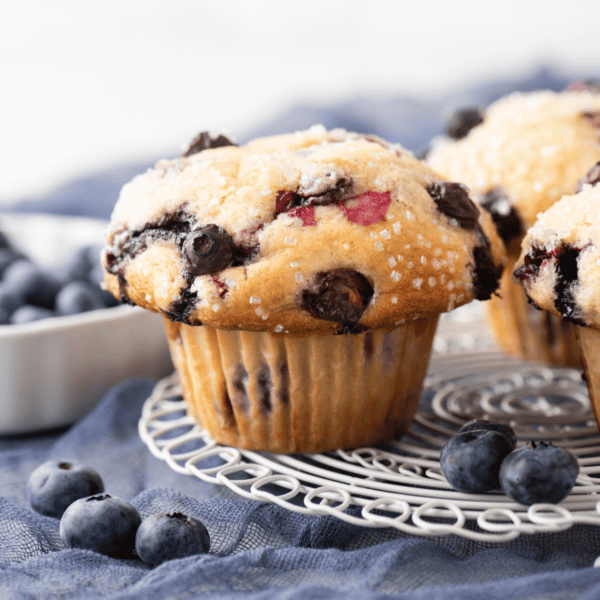
If you love muffins packed with fruit, don’t miss my blueberry muffins, made bakery style with a tall domed top and 2 full cups of blueberries in every batch, plus these other favorites!
Buttermilk is the real secret behind every one of my muffin recipes. It’s thicker and tangier than regular milk, and that acidity is doing serious work. It reacts with leavening to create extra lift, so you get that tall bakery style dome every time. It also tenderizes the crumb, keeping muffins soft and moist instead of dry or dense.
I don’t add it for flavor alone. I add it because it changes the texture of the muffin at a structural level. Once you taste the difference, regular milk feels like a downgrade.
The most accurate way to measure flour is to use a kitchen scale, weighing it in grams. If you don’t have a kitchen scale, follow this method.
Aerate the flour with a whisk or spoon. Flour becomes heavy and compact as it sits. Aerating is the same as fluffing the flour, but not the same as sifting it. Do not sift the flour unless the recipe specifically calls for it.
Use a spoon to sprinkle the flour into the measuring cup. Do not tap the cup against the counter, as this will compact the flour.
Use the back of a butter knife to level off the excess. You’ll need to repeat the aerating process after filling each cup.
FAQ
What’s the basic muffin recipe ratio?
A standard muffin batter is roughly 2 parts flour to 1 part sugar, with enough liquid (milk, buttermilk, or yogurt) to keep the batter thick but pourable. My master muffin recipe is built on this ratio and works as the base for almost any flavor.
Why didn’t my muffins dome on top?
This usually comes down to filling the liners. I overfill my liners, with 6-8 heaping tablespoons of batter total.
What’s the difference between a muffin recipe and a cupcake recipe?
Muffins use less sugar and fat than cupcakes, which gives them a denser, less sweet crumb meant for breakfast rather than dessert. Cupcake batter is also typically smoother since it’s creamed with butter and sugar first, while muffin batter is just stirred together.
Can I turn any muffin recipe into mini muffins?
For mini muffins, I suggest baking them at 425ºF for the first 5 minutes, then lowering to 400ºF for the remaining bake time (5–10 minutes, possibly longer), depending on how full you fill them. I still recommend using the every-other method when filling the pan if you overfill the holes. If you don’t overfill them, no need to do every other.
Do I need a stand mixer to make muffins?
No, muffin batter is meant to be mixed by hand with a whisk and spatula. Overmixing with a stand mixer is actually one of the easiest ways to end up with tough muffins instead of tender ones.
Storing and Freezing Muffins
Muffin Storage
If you’ll be eating the muffins within 24 hours of baking, you can leave them uncovered on the counter. The muffins will not dry out while left at room temperature for 1 day.
In fact, muffins are so moist they can become soggy and those crunchy, sugary tops can disappear when stored in an airtight container.
But I have a trick to help that – paper towels.
For longer storage, 2-4 days, line the bottom of an airtight container with paper towels. Place the muffins in a single layer in the container then cover the muffins with any additional layer of paper towels. The paper towels will act like a sponge, absorbing the moisture they release while they are stored.
If the paper towels become too moist around day 2 or day 3, replace them with fresh paper towels.
How To Freeze Muffins
Individually wrap each muffin in plastic wrap. Then place them in a ziploc bag or airtight container and place in the freezer for up to 3 months.
To thaw, leave them at room temperature until defrosted, about 1 hour. Or unwrap them and microwave at 20 second intervals until defrosted.