

This post may contain affiliate links. Please read our disclosure policy.
Making a giant cookie sounds simple until you realize the dough behaves completely differently at that size. My lemon sugar cookies are already a reader favorite, but scaling them up meant solving for spread, texture, and flavor intensity all over again. This version uses only egg yolks, four to five tablespoons of fresh zest, and a freeze step that keeps these cookies thick and chewy from edge to center. Four rounds of testing got us here — your first batch should come out great.
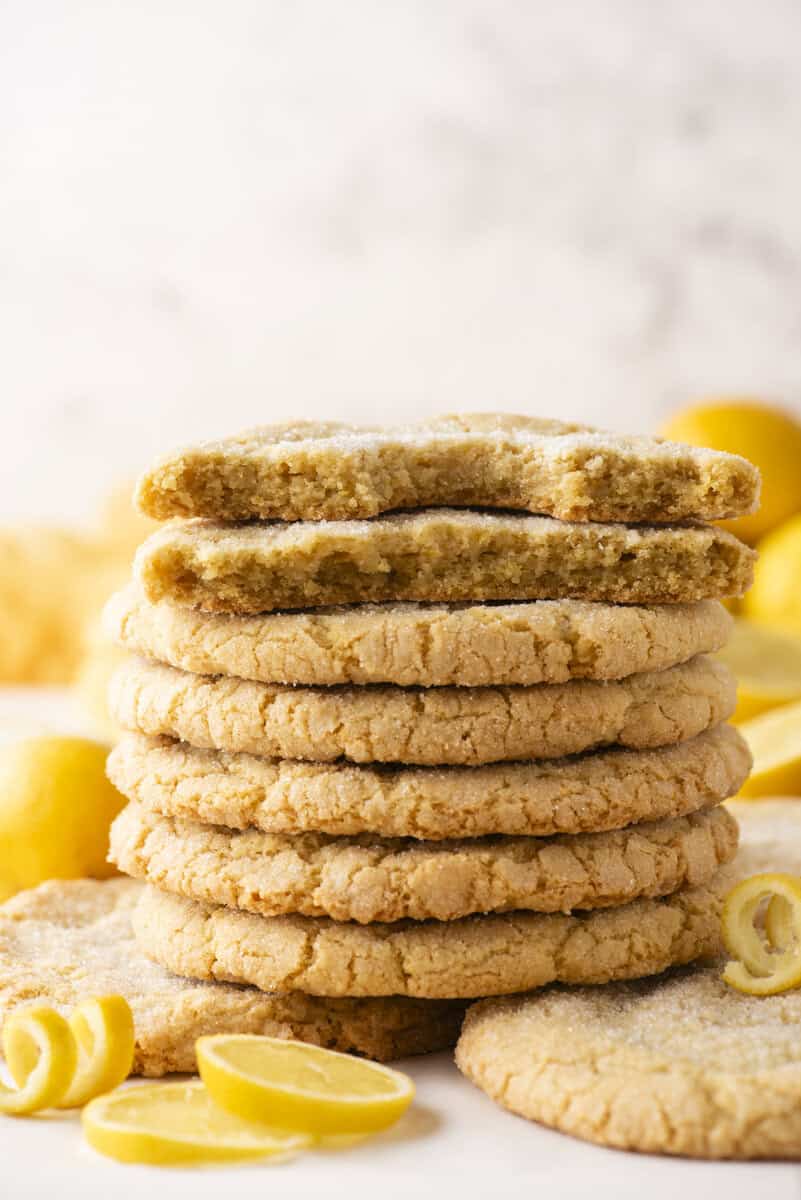
My lemon sugar cookies are the most popular recipe on this blog, and for good reason. But I kept getting asked for a bigger version — the kind of giant, bakery-style cookie you need two hands to hold. (In fact, that turned out to be its own challenge. At that size, dough spreads differently, bake times shift, and if you want bold lemon flavor that doesn’t get lost in all that dough, you have to be intentional about it. Four rounds of testing later, here we are.
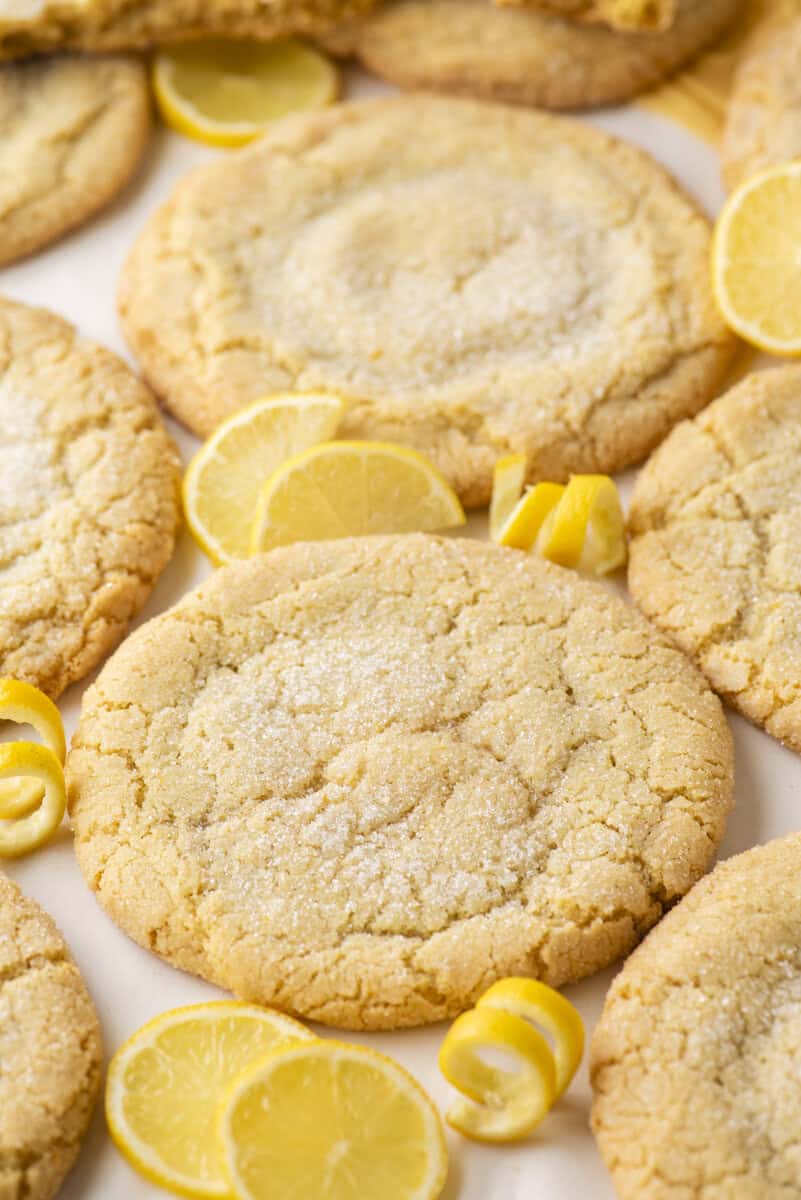
If you love my lemon sugar cookies, this is that recipe taken to its most satisfying conclusion. Same bright citrus flavor, same chewy texture — just much, much bigger. And if you’re a giant cookie person in general, my bakery-style chocolate chip cookies and giant peanut butter cookies are worth bookmarking too.
Why These Cookies Are Different
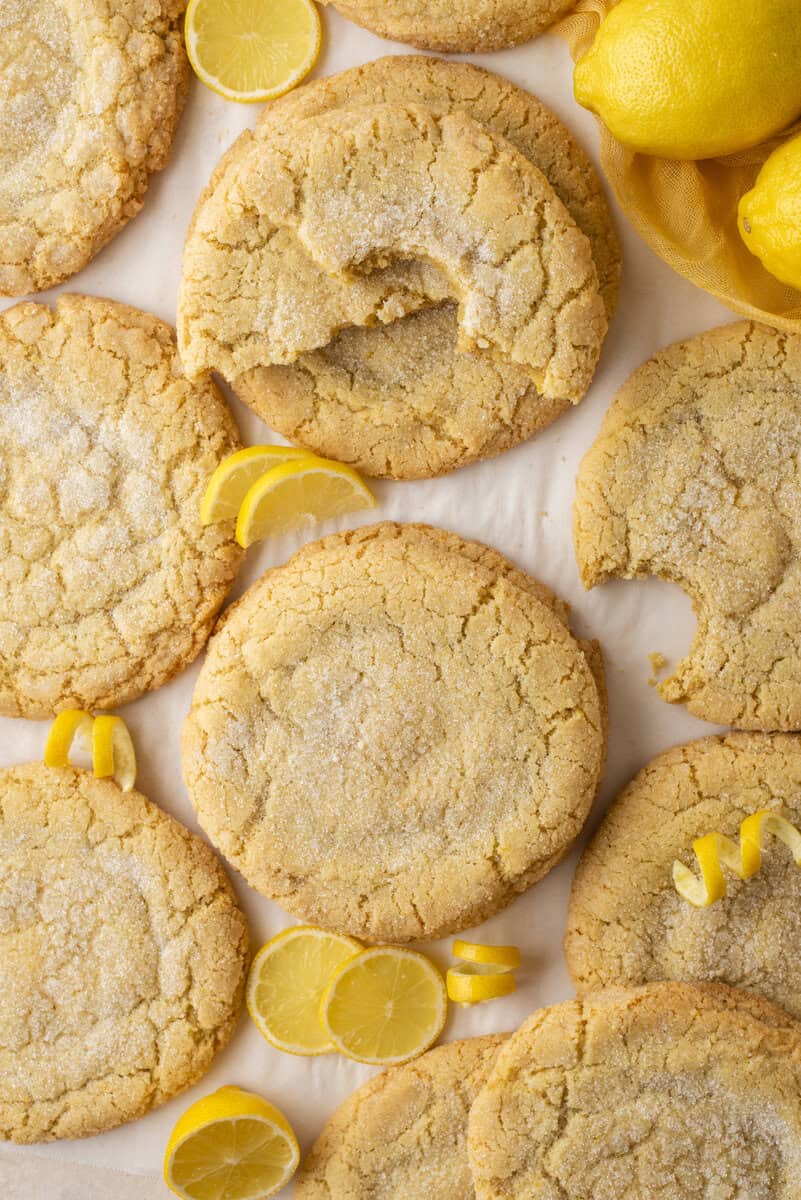
There are three decisions in this recipe that separate it from every other lemon sugar cookie out there.
- Only egg yolks. Whole eggs bring moisture and lift, which sounds like a positive but in a thick cookie it translates to spread and a slightly puffy, cakey result. Yolks are all fat and richness, which means chew. Swapping out the whole egg for an additional yolk — three total — was the single biggest improvement across all four rounds of testing.
- 4 to 5 tablespoons of fresh lemon zest. Most recipes call for 1.5 teaspoons. That is not a typo. If you want your cookie to taste like lemon instead of just suggesting it, you need a generous hand with the zest. The rubbing technique — working the zest directly into the granulated sugar before creaming — releases the essential oils and distributes the flavor throughout the entire dough.
- Freeze the dough, not just refrigerate it. I tested everything from 30 minutes in the fridge to overnight, and the freezer consistently won. Cold dough bakes up slower, which gives the exterior time to set before the interior spreads. Two hours in the freezer is the sweet spot. Do not skip this step.
My Testing Notes
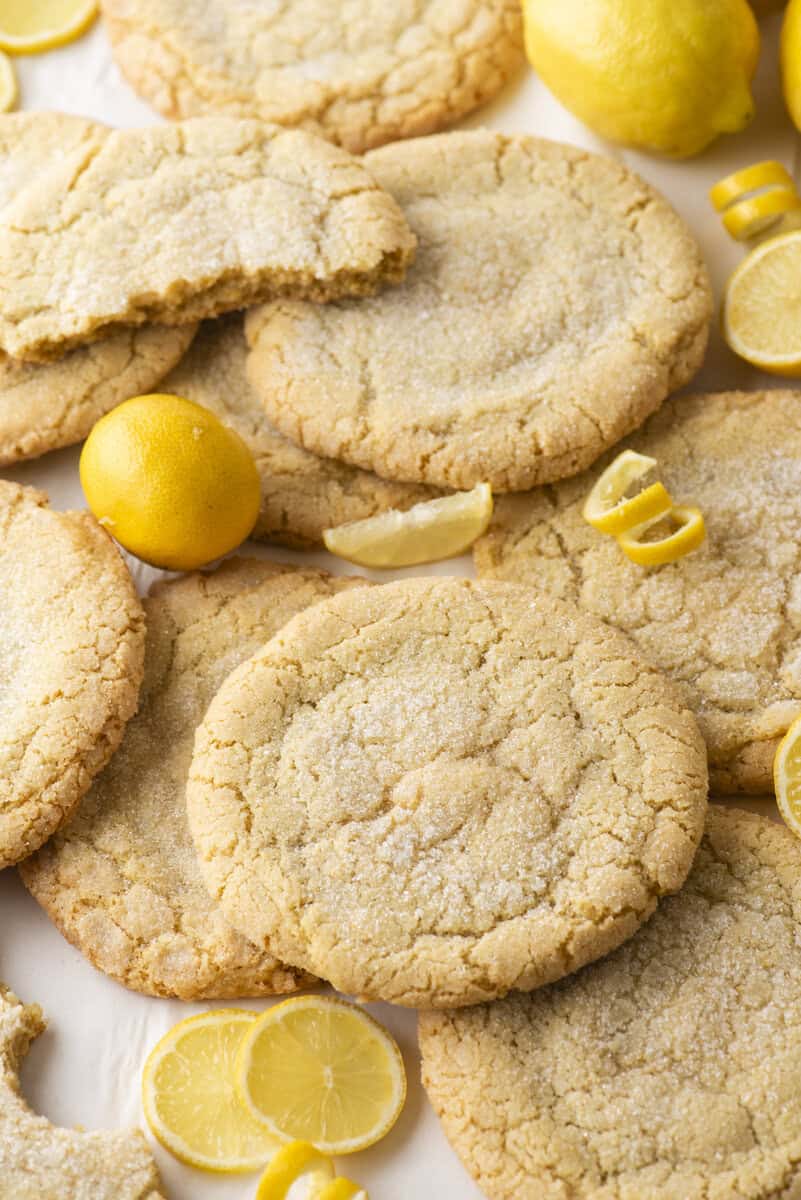
Test one used the same egg ratio as the original recipe — one whole egg plus one yolk — scaled up for a giant cookie. The cookies baked up at 3.5 inches and spread more than I wanted at that size. The lemon flavor was good but got a little lost in all that dough, which told me I needed to be more aggressive with the zest for a cookie this big.
Test two bumped the zest significantly and added optional lemon extract. The flavor was there, but spread was still an issue even with refrigeration up to an hour. I started suspecting the whole egg was the culprit.
Test three introduced lemon pudding mix, which is a common trick for thick cookies. It worked structurally but the flavor profile shifted in a way I didn’t love. I also added an extra quarter cup of flour in a re-do of this test, which helped with spread. The version refrigerated for 80 minutes and pressed into a 3-inch puck had the best shape and chew of any cookie so far.
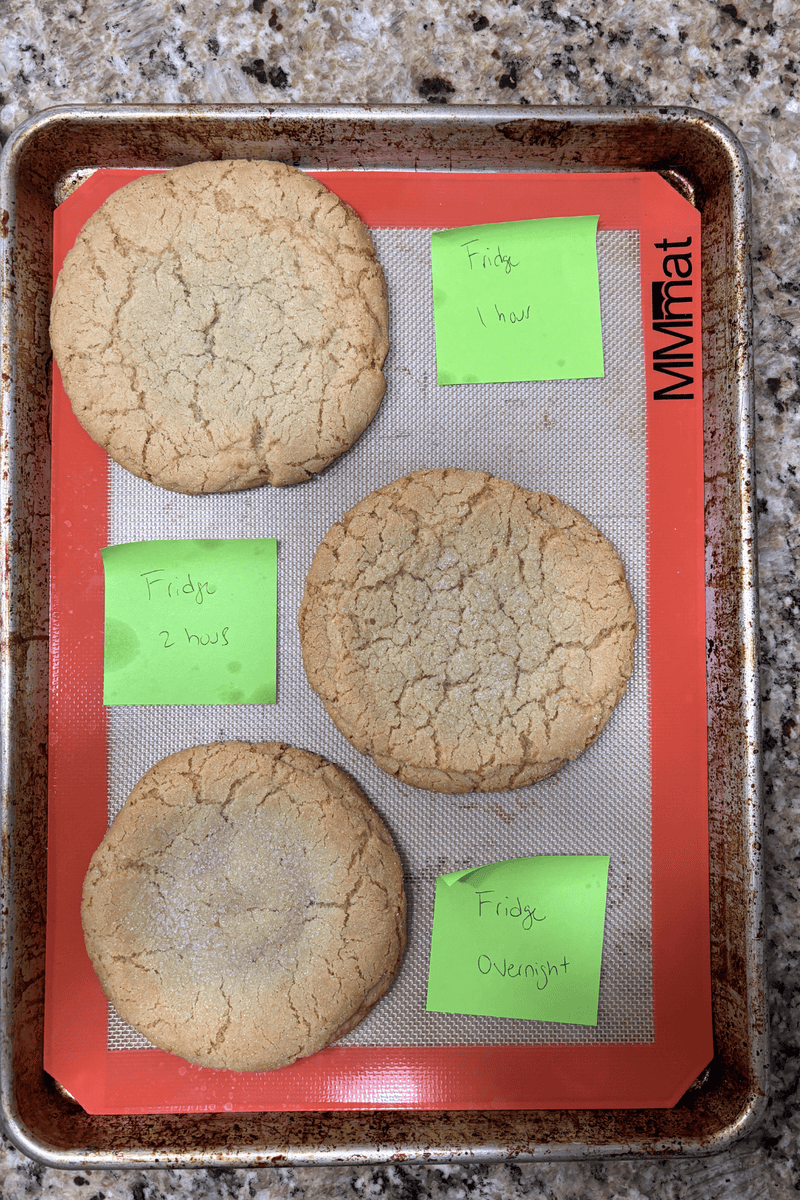
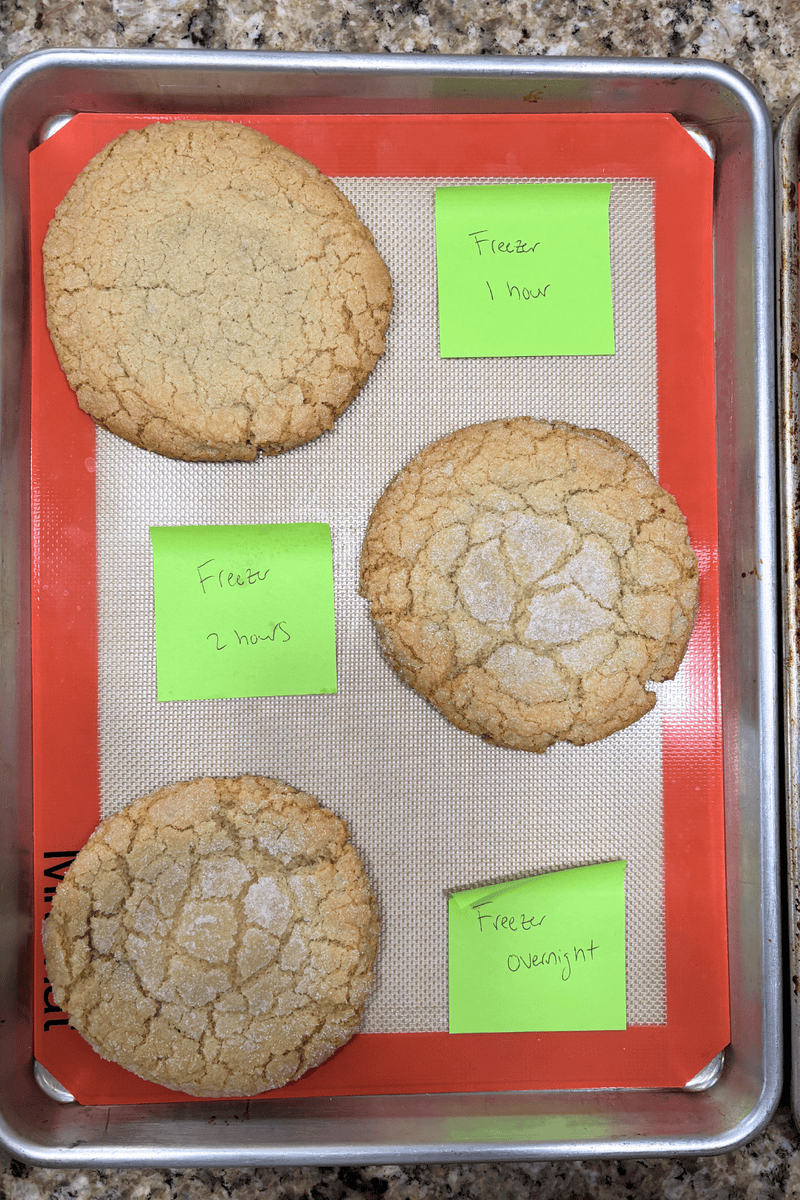
Test four eliminated the whole egg entirely and went to three yolks with more brown sugar. Then I tested every chilling method: fridge at one, two, and overnight; freezer at one hour, two hours, and overnight. The freezer batches were the clear winner for shape. Two hours or overnight produced my favorite cookies.
Key Ingredients & Their Purpose
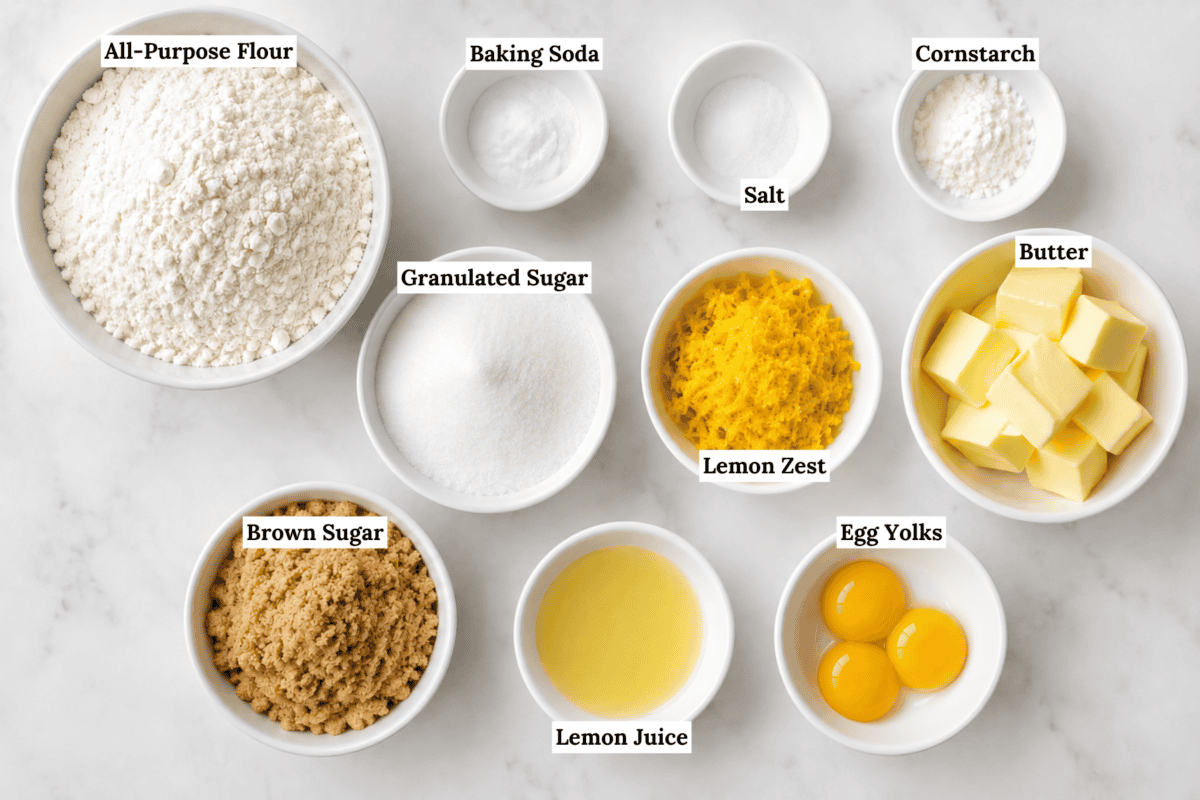
Here’s an overview of the key ingredients in this recipe and what they do. You can jump to the recipe card below for the full recipe.
- Fresh Lemon Zest: Use 4 to 5 lemons and zest every single one of them. This is not a place to be conservative. The zest gets rubbed into the granulated sugar before anything else, which breaks down the cell walls and releases the oils. That step alone makes a noticeable difference in how lemony the finished cookie tastes.
- Egg Yolks: Three yolks, no whites. The fat in the yolks gives you a rich, chewy texture and prevents the cookie from puffing up in the oven. If you’ve ever made a lemon cookie that turned out cakey instead of chewy, the whole egg was probably the reason.
- You’ll have 3 leftover egg whites from this recipe. Don’t toss them — they’re perfect for making my 9×13 white cake, which uses egg whites only for that classic bright white crumb.
- Brown Sugar: Half a cup of light brown sugar alongside the granulated sugar adds moisture and a subtle depth of flavor. Brown sugar is also more hygroscopic than white, meaning it holds onto moisture better, which keeps the centers soft even after the cookies cool.
- Cornstarch: One tablespoon of cornstarch in the dough helps create a tender crumb without making the cookie cakey. It’s a small amount but it matters.
- Unsalted Butter: Room temperature butter is non-negotiable here. You need it soft enough to cream properly with the sugar, which builds the base structure of the dough. Cold butter won’t incorporate the same way and you’ll lose the texture you’re after.

How to Make Giant Lemon Sugar Cookies
Follow my easy step-by-step instructions below, or jump to the recipe card below for the full recipe.
Combine dry ingredients: Whisk together the flour, baking soda, salt, and cornstarch in a bowl. Set aside.
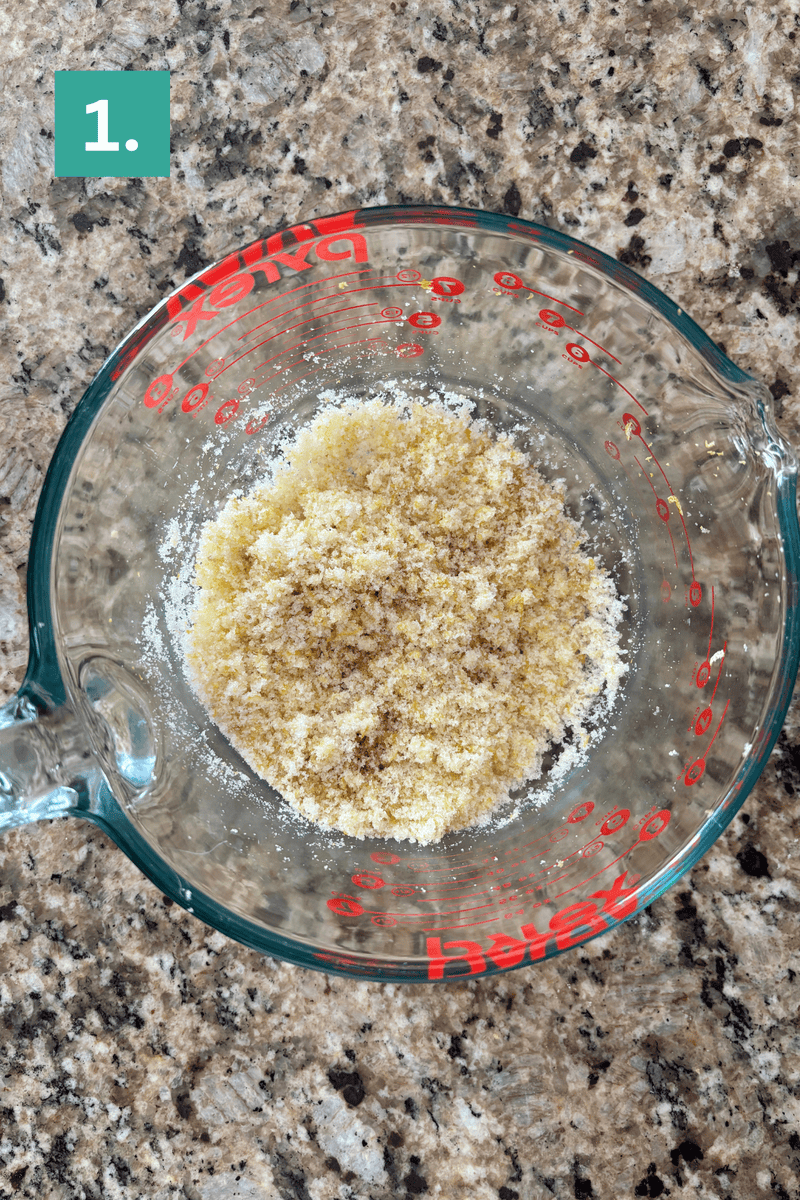
Make lemon sugar: In a large mixing bowl, combine the granulated sugar and lemon zest. Rub the zest into the sugar with your fingers until fragrant and evenly combined.
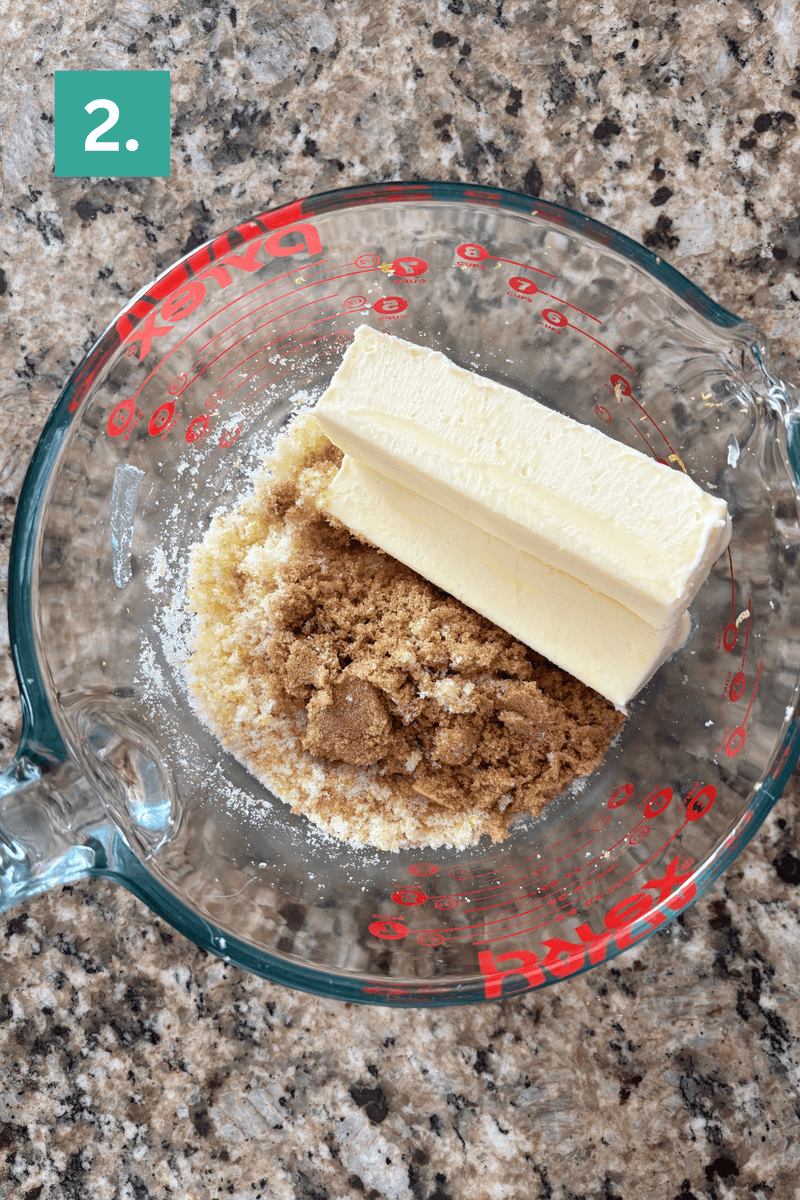
Add the butter and brown sugar to the lemon sugar and beat on medium-high speed for 2-3 minutes, until light and fluffy.
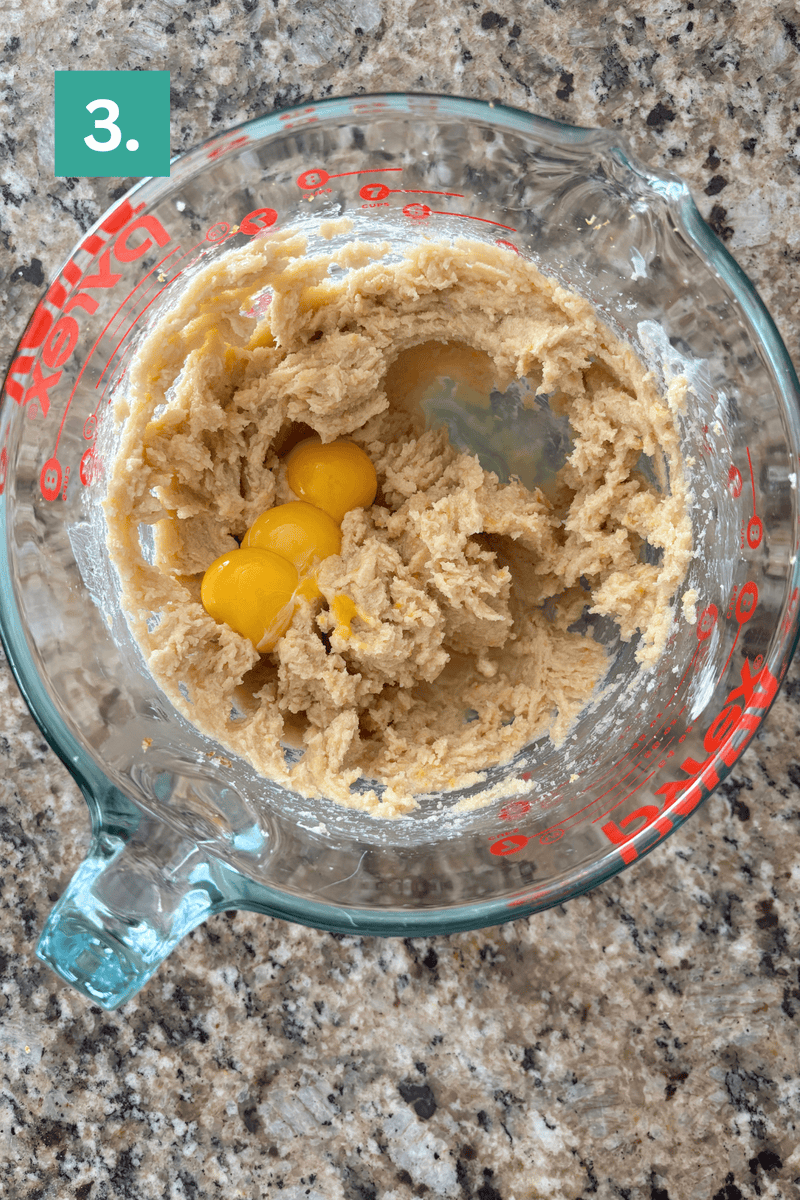
Add in the lemon juice and egg yolks, beat again.
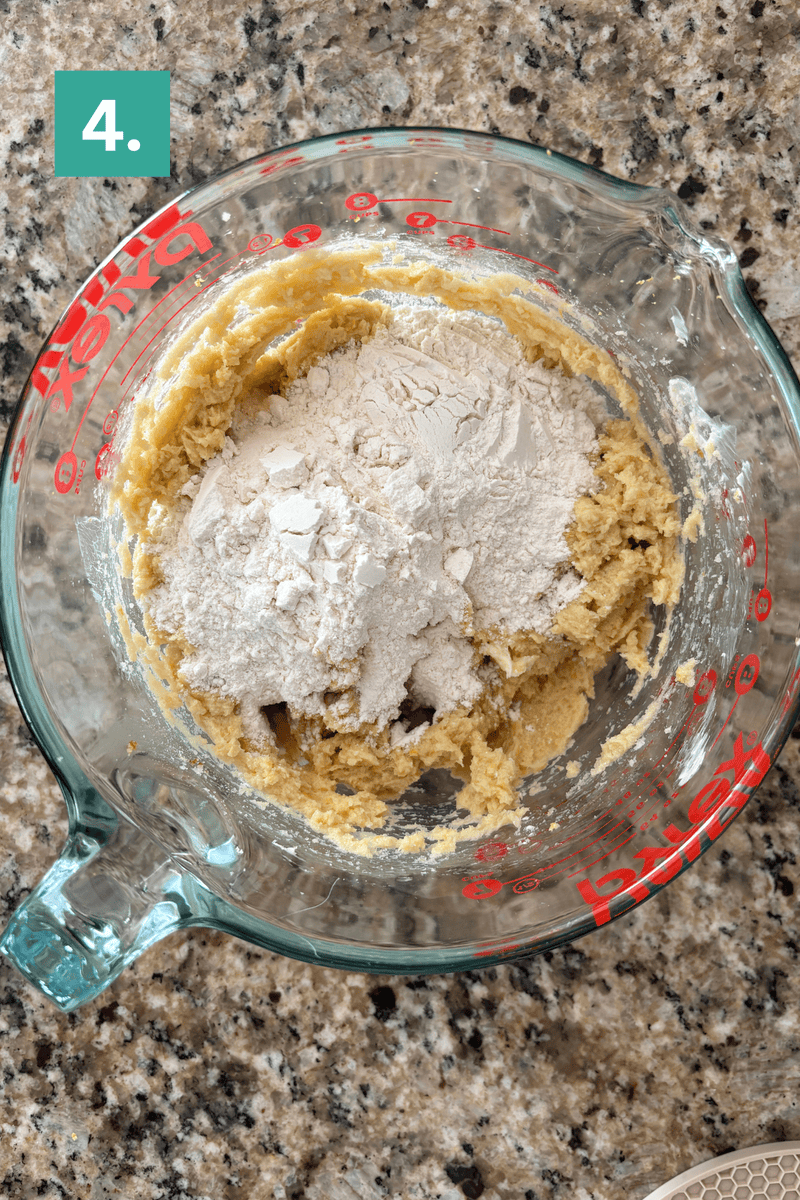
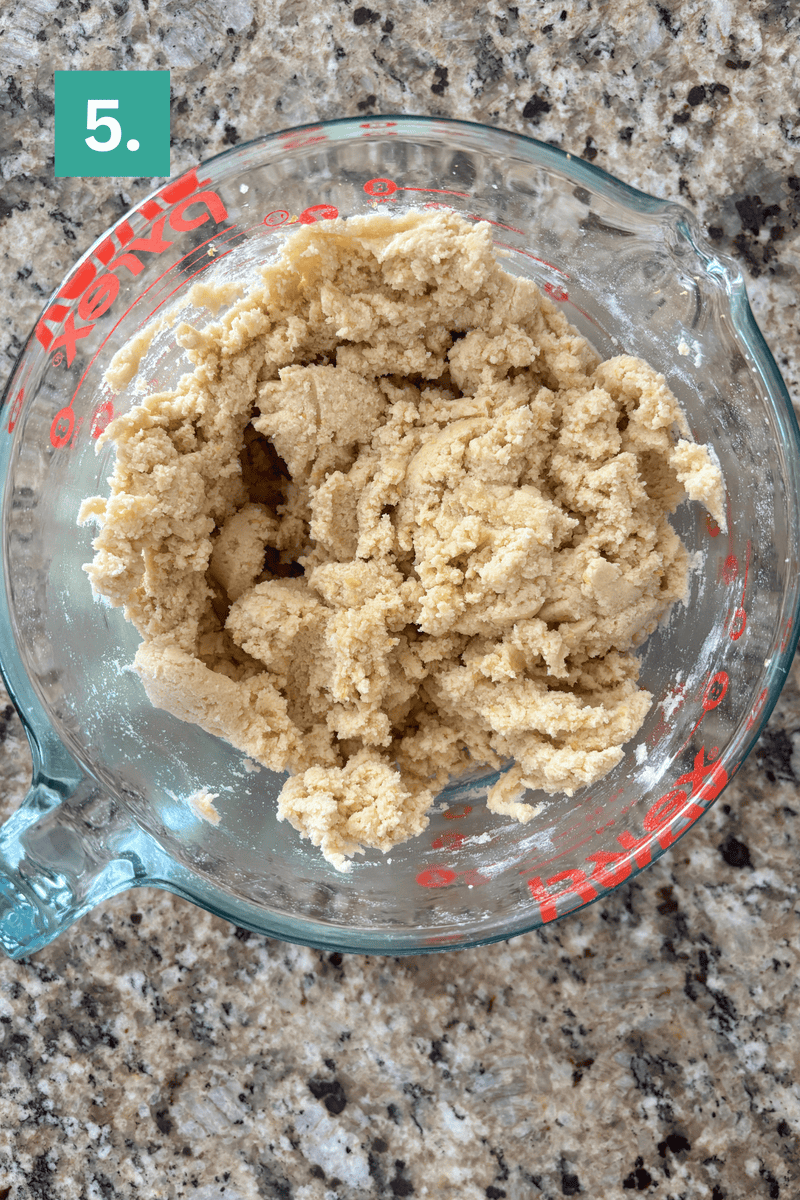
Combine all ingredients: Gradually add the dry mixture and mix on low until just combined. Do not overmix.
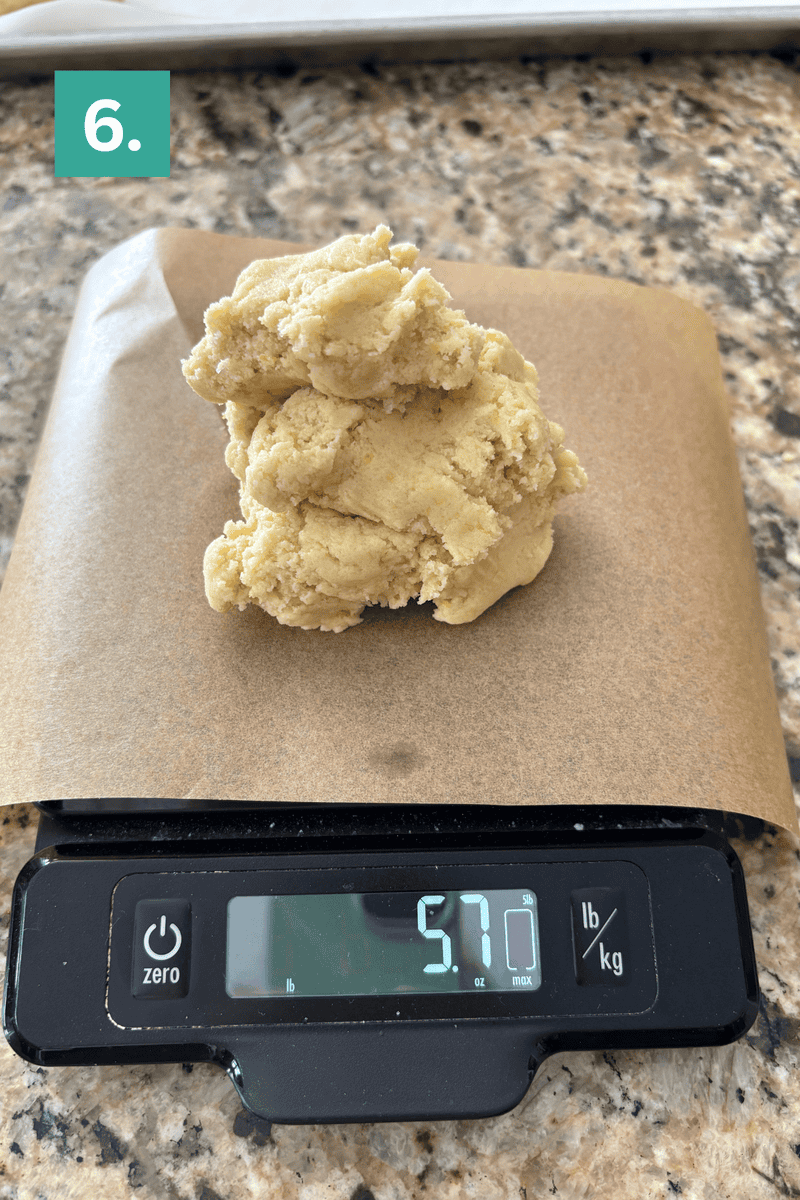
Divide and roll dough: Divide the dough into 6 equal balls (about 5.7 oz each). Roll each ball in the sugar to coat, then press into a 3-inch puck.
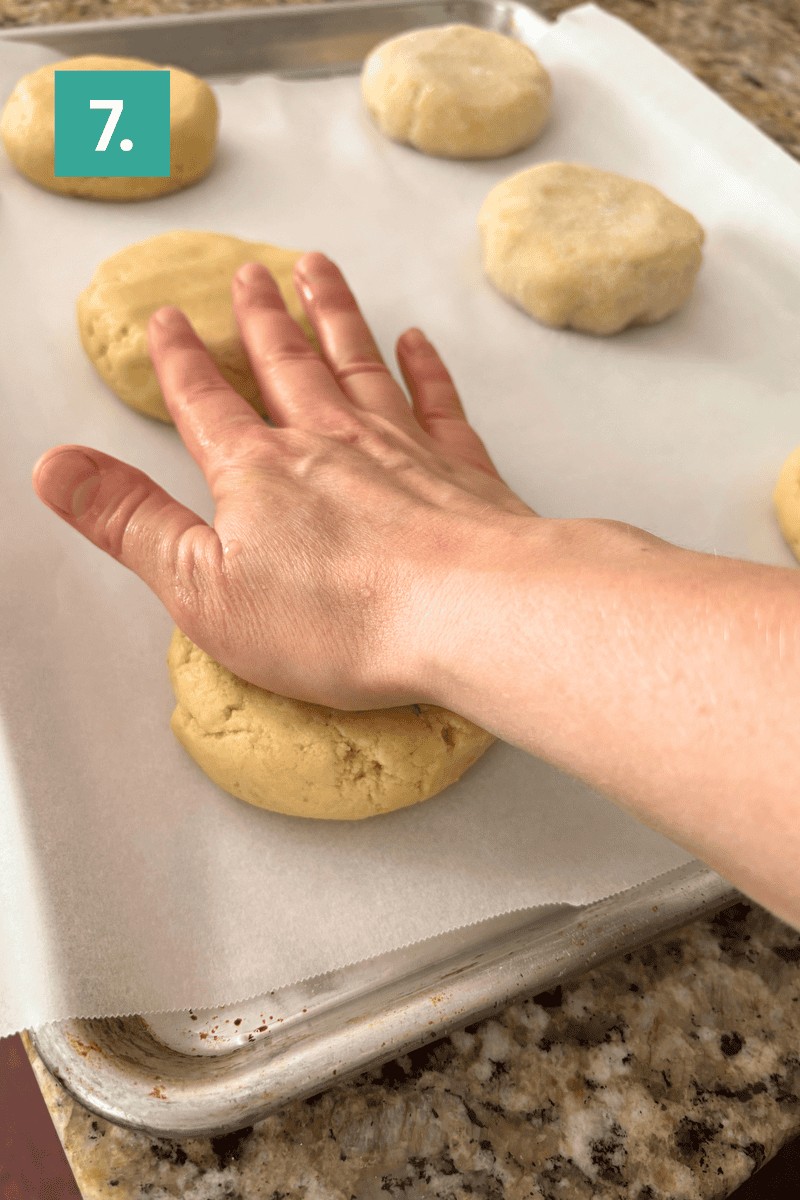
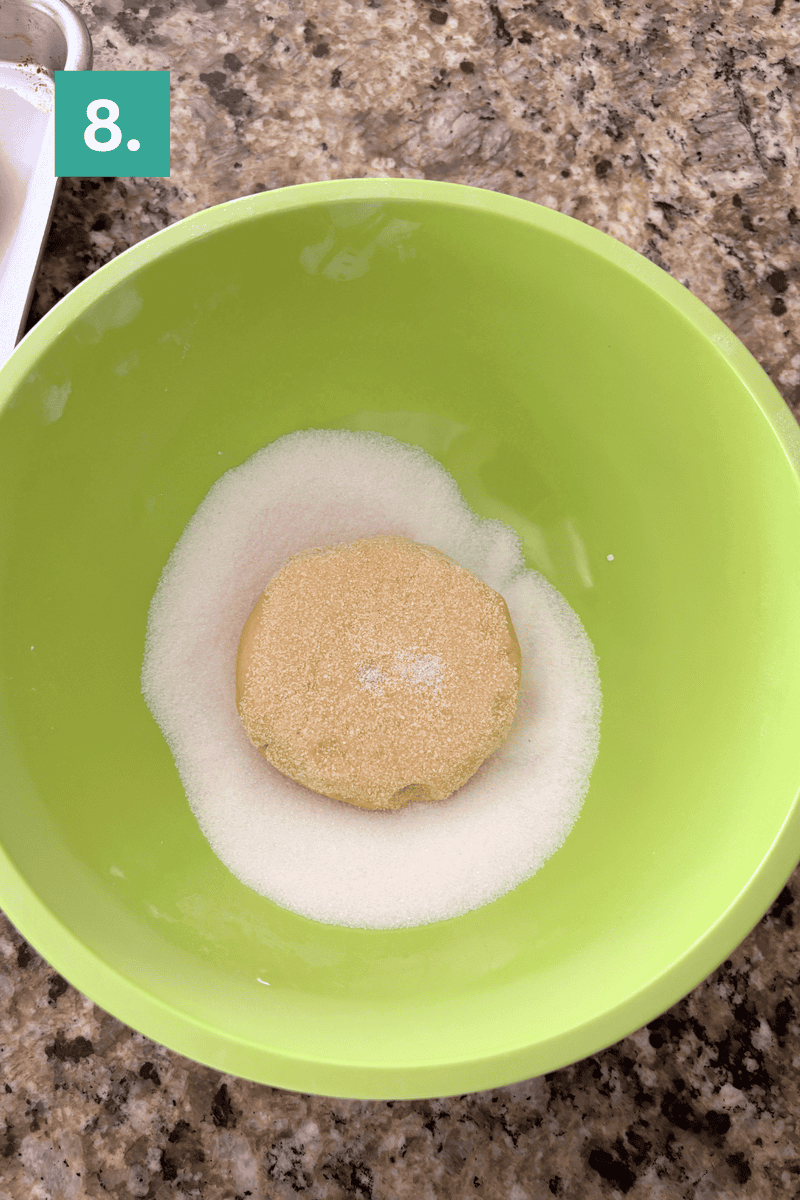
Freeze: Place the pucks on a parchment-lined baking sheet and freeze for 2 hours. Do not skip this step — it’s what keeps the cookies thick. You can also freeze them for longer, up to overnight. If freezing longer, cover the dough with plastic wrap.
Prep oven and baking sheet: When ready to bake, preheat the oven to 350°F. Line a baking sheet with parchment paper.
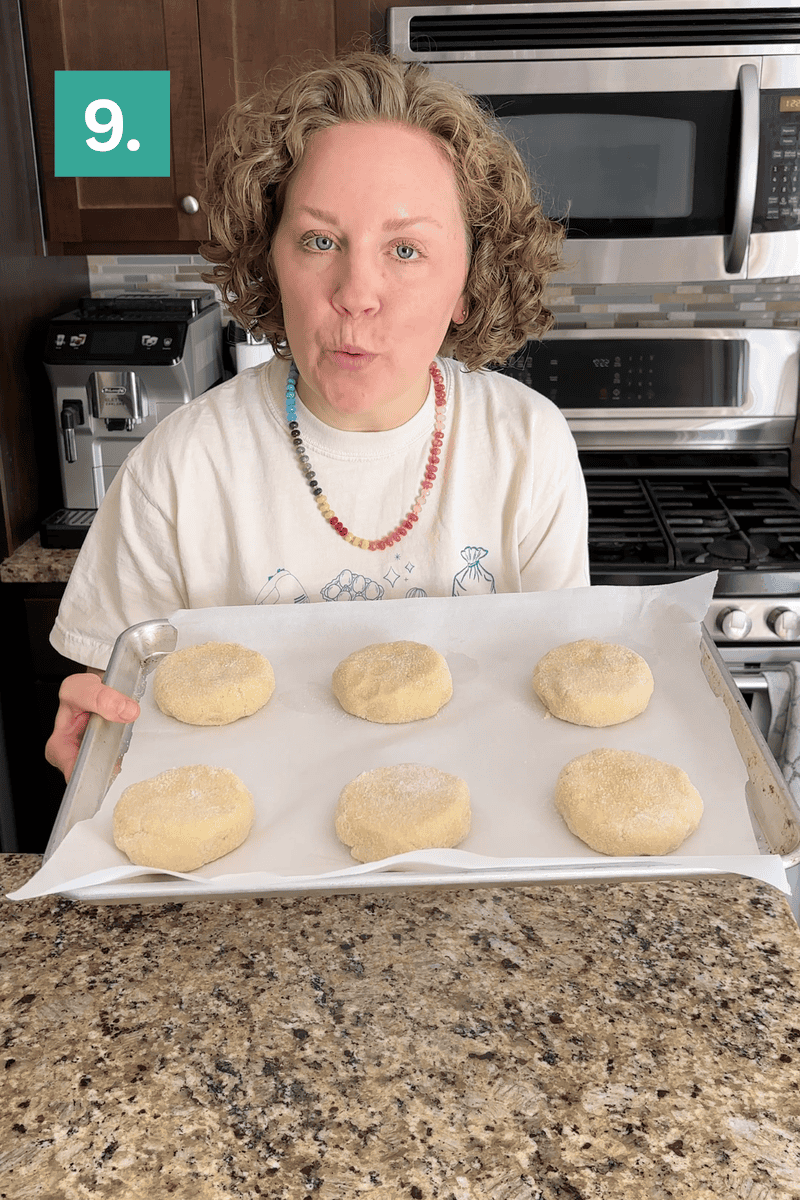
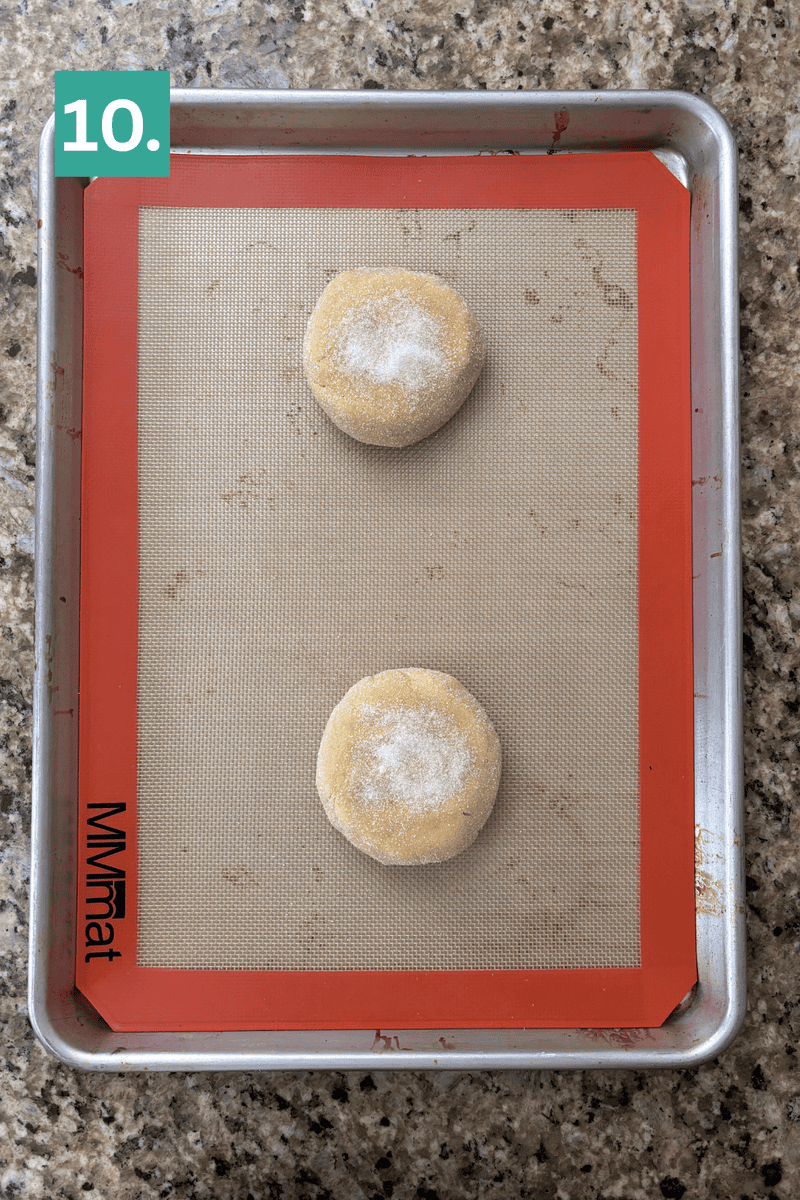
Bake and cool: Place 2 cookies at a time on the prepared baking sheet. Sprinkle a little extra sugar on top if desired. Bake for 20-24 until the edges are set and the centers look just slightly underdone. Cool on the pan completely before transferring.
Tips for the Best Results
- Use a kitchen scale. Portioning by weight means every cookie is the same size and bakes the same way.
- Freeze, don’t just refrigerate. The freezer keeps the dough colder longer in the oven, which is what prevents spread and keeps these cookies thick.
- Bake only 2 at a time. These are big cookies and they need space and even heat. Crowding the pan affects how they bake.
- Extra sugar on top is optional but recommended. It adds a little crunch to the surface and makes them look like they came from a bakery case.
- The centers will look underdone when you pull them. That is correct. They will set as they cool. If the center looks fully baked in the oven, they will be overbaked once they cool.

Make Ahead and Storage
These cookies are a great make-ahead dessert. Once you press the dough into pucks and roll them in sugar, they can go straight into the freezer for up to 3 months. Cover the pan with plastic wrap after the first 2 hours or transfer to a zip-top freezer bag. Bake directly from frozen — just add 2 minutes to the bake time.
Baked cookies keep well at room temperature in an airtight container for up to 4 days. They stay chewy throughout and honestly taste even better on day two once the lemon flavor has had time to settle.
FAQ
Yes. Portion to around 2 oz each and press into 2-inch pucks. Reduce the freeze time to 1 hour and start checking for doneness around 14 to 16 minutes. Or follow the original lemon sugar cookie recipe which makes standard size cookies.
You can. Half a teaspoon of lemon extract added with the lemon juice will intensify the citrus flavor. I tested this and it works well, especially if your lemons feel less fragrant than usual. It’s optional — the recipe is plenty lemony without it — but if you want it bold, add it.
You can, but reduce the added salt to a pinch. Salted butter varies by brand so it’s harder to control the seasoning precisely, which is why unsalted is recommended.
More Recipes with Lemon

Tap stars to rate!
Giant Lemon Sugar Cookies
Video
Ingredients
- 3 ¼ cups (390g) all-purpose flour
- 1 tsp baking soda
- ¼ tsp salt
- 1 Tbsp cornstarch
- 1 cup (198g) granulated sugar
- 4-5 Tbsp lemon zest, about 4-5 lemons
- 1 cup (226g) unsalted butter, room temperature
- ½ cup (100g) light brown sugar
- 2 Tbsp fresh lemon juice
- 3 egg yolks
- ¼ cup granulated sugar, for rolling
Instructions
- Whisk together the flour, baking soda, salt, and cornstarch in a bowl. Set aside.3 ¼ cups (390g) all-purpose flour, 1 tsp baking soda, ¼ tsp salt, 1 Tbsp cornstarch
- Make lemon sugar: In a large mixing bowl, combine the granulated sugar and lemon zest. Rub the zest into the sugar with your fingers until fragrant and evenly combined.1 cup (198g) granulated sugar, 4-5 Tbsp lemon zest
- Add the butter and brown sugar to the lemon sugar and beat on medium-high speed for 2-3 minutes, until light and fluffy.1 cup (226g) unsalted butter, ½ cup (100g) light brown sugar
- Add in the lemon juice and egg yolks, beat again.2 Tbsp fresh lemon juice, 3 egg yolks
- Gradually add the dry mixture and mix on low until just combined. Do not overmix.
- Divide the dough into 6 equal balls (about 5.7 oz each). Roll each ball in the sugar to coat, then press into a 3-inch puck.¼ cup granulated sugar
- Freeze: Place the pucks on a parchment-lined baking sheet and freeze for 2 hours. Do not skip this step — it’s what keeps the cookies thick. You can also freeze them for longer, up to overnight. If freezing longer, cover the dough with plastic wrap.
- When ready to bake, preheat the oven to 350°F. Line a baking sheet with parchment paper.
- Place 2 cookies at a time on the prepared baking sheet. Sprinkle a little extra sugar on top if desired. Bake for 20-24 until the edges are set and the centers look just slightly underdone. Cool on the pan completely before transferring.
Last Step: I’d love to hear what you think. Leave a rating and comment here.










I recently purchased some lemon zest powder, nothing but dried lemon zest. Do you think this would work in these cookies? Thanks Beth❤️
I’ve never heard of that product, but I’d say give it a go and report back!
My family loves lemon cookies and I know they would inhale six giant cookies, before the plate landed on the table. I would love to make these cookies in a regular size so that I can dole them out. They look perfect!
Hi Kathleen! You could use a 2 tablespoon scoop and reduce the bake time to (this is a guess) 10-14 minutes.
Can these be made as just sugar cookies? Omitting all the lemon ingredients?
Follow this recipe for regular sugar cookies.